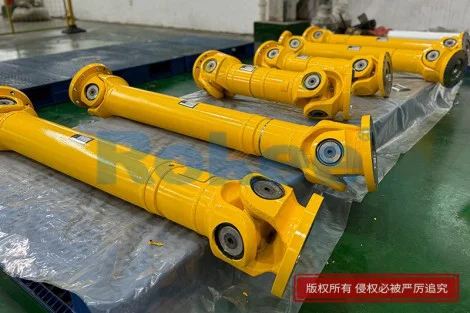
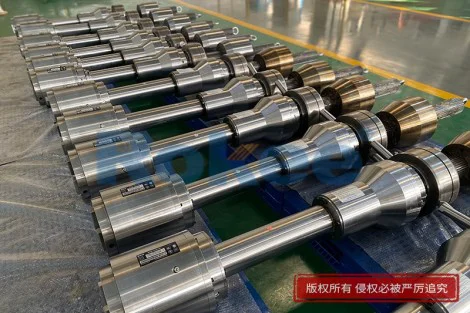
Spline Joint Shaft
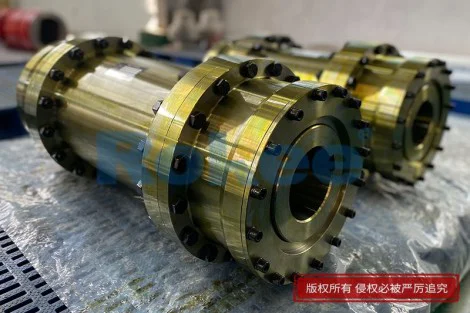
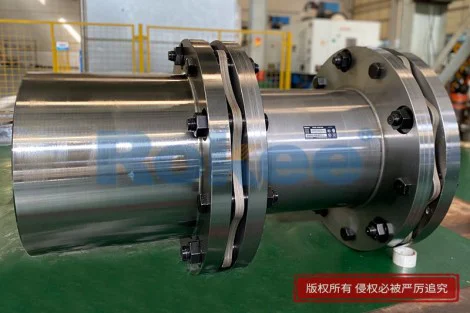
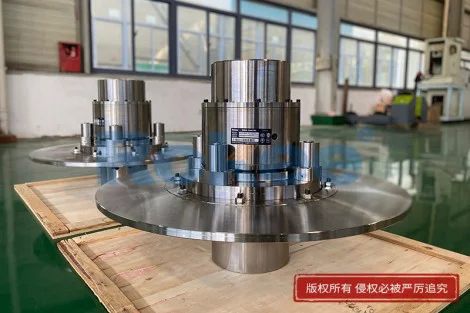
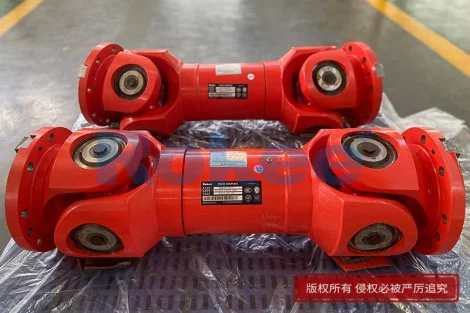
Rokee is a manufacturer of spline joint shaft from china, we can provide non-standard custom spline joint shaft based on parameters or drawings supplied by customers, with export support available.

Spline joint shafts are essential mechanical transmission components designed to deliver stable and efficient torque transfer in a wide range of mechanical systems. Featuring continuous parallel teeth machined on the outer surface of cylindrical shafts, these components interlock precisely with matching internal grooves on coupled parts, forming a rigid form-fit connection that eliminates rotational slippage. Unlike traditional keyed shaft connections that rely on a single load-bearing structure, spline joint shafts distribute mechanical stress across multiple tooth surfaces, which significantly enhances load capacity and structural durability. This unique structural advantage allows the components to adapt to both fixed and sliding assembly modes, enabling synchronous rotation while permitting controlled axial displacement during operation. Widely integrated into power transmission systems of mechanical equipment, they serve as core connecting parts for power output and load operation, balancing transmission accuracy, mechanical stability and service adaptability to meet diverse industrial operating demands.
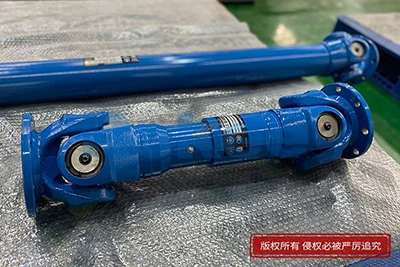
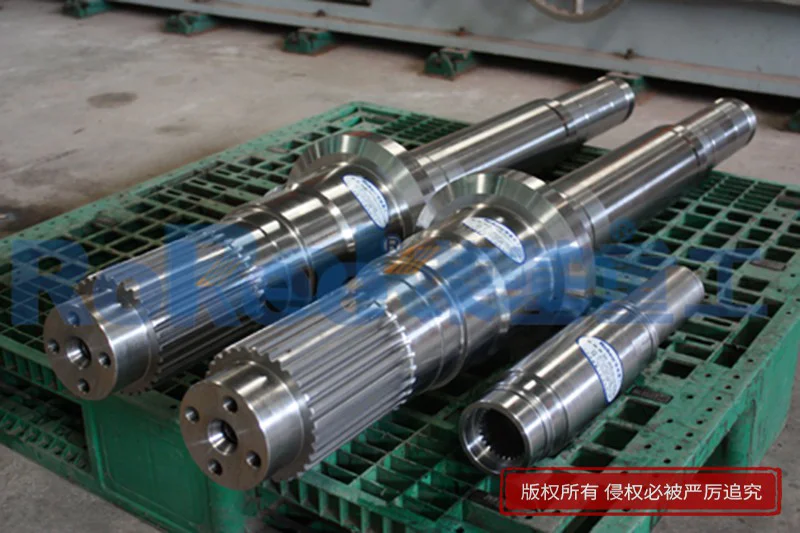
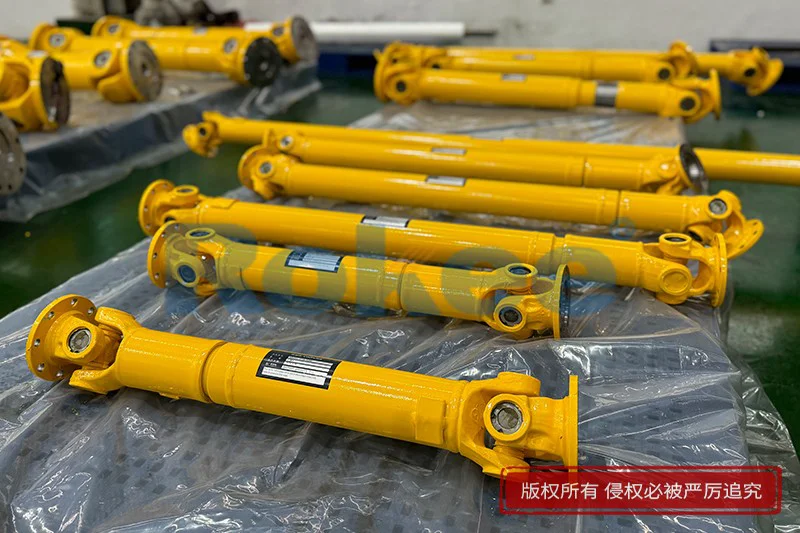
The fundamental working mechanism of spline joint shafts centers on positive mechanical engagement, which distinguishes them from friction-dependent transmission structures. When the power source drives the shaft to rotate, each external spline tooth makes simultaneous and uniform contact with the corresponding internal groove of the mating component. This multi-point contact structure disperses torque evenly over the entire meshing surface rather than concentrating stress on a single localized area. During continuous operation, the synchronous meshing of spline teeth restricts relative rotational movement between connected components, ensuring consistent power transmission without speed deviation or torque loss. Meanwhile, the parallel layout of spline teeth reserves axial movement space for the mating parts, allowing the coupled components to slide along the shaft axis under operating loads while maintaining stable rotational synchronization. This dual capability of fixed torque transmission and flexible axial displacement makes spline joint shafts uniquely adaptable to dynamic mechanical systems that require both power stability and structural adjustability.
Structural composition and core design features endow spline joint shafts with superior mechanical performance compared to conventional transmission shafts. The overall structure consists of a cylindrical shaft body and evenly distributed spline teeth, with the tooth profile, tooth spacing and surface finish precisely processed to ensure seamless meshing. The symmetrical arrangement of spline teeth effectively avoids eccentric force generation during high-speed rotation, maintaining excellent concentricity and rotational stability. In terms of structural design, the increased contact area of multi-tooth meshing greatly reduces unit surface pressure, which minimizes mechanical fatigue and local wear under long-term high-load operation. Additionally, the integrated one-piece processing of the shaft body and spline teeth eliminates loose assembly gaps, enhancing the overall structural rigidity and anti-deformation ability. This refined structural design not only improves the transmission efficiency of mechanical power but also reduces vibration and noise generated during equipment operation, optimizing the overall operating state of mechanical systems.
Material selection and precision manufacturing processes are critical determinants of the service performance and service life of spline joint shafts. High-strength alloy materials are commonly adopted for production due to their excellent tensile strength, wear resistance and fatigue resistance, which can withstand long-term high-load and high-frequency operating conditions. The raw materials undergo strict forging and heat treatment processes to refine the internal metal structure, eliminate material defects, and improve the overall hardness and toughness of the shaft body. In the machining stage, professional precision cutting and grinding equipment is used to process spline teeth, ensuring consistent tooth profile accuracy and smooth surface flatness. Fine surface treatment is also applied to the spline contact surfaces to reduce friction coefficient and enhance anti-corrosion and anti-wear properties. Strict dimensional inspection and performance testing are implemented throughout the manufacturing process to guarantee that each finished shaft meets the precision requirements of mechanical matching and stable transmission.
Spline joint shafts exhibit outstanding performance advantages in practical mechanical operation, making them irreplaceable in high-precision and high-load transmission scenarios. Their most prominent advantage is uniform load distribution, which avoids the local stress concentration problem inherent in single-key transmission structures and effectively reduces the risk of tooth surface wear, shear damage and structural failure. The precise meshing structure ensures zero slippage during torque transmission, maintaining high transmission efficiency and stable power output even under variable load conditions. Moreover, the flexible axial sliding function allows the connected mechanical components to adapt to thermal expansion, structural vibration and assembly position deviation during equipment operation, reducing structural extrusion and mechanical failure risks. Compared with ordinary transmission shafts, spline joint shafts also feature higher structural rigidity, better dynamic balance and longer fatigue life, which can effectively reduce equipment maintenance frequency and improve the continuous operation capacity of mechanical systems.
The application scenarios of spline joint shafts cover multiple fields of mechanical manufacturing and industrial equipment, relying on their versatile and reliable transmission performance. In power transmission systems of mobile mechanical equipment, they are used to connect power output devices and execution components, realizing stable torque transmission during variable-speed operation and displacement adjustment. In precision industrial machinery and automation equipment, spline joint shafts ensure accurate synchronous operation of multi-group mechanical components, supporting high-precision positioning and stable cyclic operation. They are also widely applied in hydraulic transmission systems and heavy-duty mechanical equipment, adapting to high-torque and high-pressure operating environments to maintain continuous and efficient power transmission. Whether in high-speed light-load operation or low-speed heavy-load working conditions, spline joint shafts can maintain stable working performance, providing reliable structural support for the normal operation of various mechanical systems.
Daily maintenance and reasonable usage methods are essential to maintain the long-term stable performance of spline joint shafts. In the operating process, regular lubrication of spline meshing surfaces is required to reduce dry friction between tooth surfaces, avoid abrasive wear and ensure smooth axial sliding and rotational meshing. It is necessary to regularly check the meshing state of spline teeth to observe whether there are abnormal wear, deformation or gap changes, and timely eliminate hidden dangers such as meshing jitter and torque attenuation. During equipment assembly and debugging, excessive assembly clearance or excessive pre-tightening force should be avoided to prevent abnormal stress from damaging the spline structure. In addition, long-term overload operation and frequent variable-load impact should be reduced to avoid mechanical fatigue accumulation of spline teeth. Scientific maintenance habits can effectively delay component aging, maintain stable transmission accuracy and extend the overall service life of spline joint shafts.
With the continuous upgrading of mechanical manufacturing technology, the performance optimization and application expansion of spline joint shafts are constantly advancing. Modern mechanical design concepts focus on lightweight and high-strength optimization of spline joint shaft structures, optimizing tooth profile parameters and shaft body structure to reduce self-weight while improving load-bearing efficiency and transmission stability. The innovation of surface strengthening technology further enhances the wear resistance, corrosion resistance and fatigue resistance of spline surfaces, enabling components to adapt to more complex and harsh operating environments. Meanwhile, with the development of intelligent mechanical equipment, spline joint shafts are gradually combined with precision matching and adaptive adjustment technologies to meet the transmission requirements of high-precision, high-efficiency and intelligent mechanical systems. As a core basic transmission component, spline joint shafts will continue to iterate and upgrade with industrial technology, providing more reliable and efficient support for the development of modern mechanical transmission systems.
« Spline Joint Shaft » Update Date: 2026/8/5
Contact
If you require custom machined couplings, please contact Rokee via the contact information below for inquiries.
Email: Rokee@Rokee.com
 WeChat