Gear Type Couplings
Rokee is Gear Type Couplings Manufacturer, Customizable according to the gear type couplings drawings provided by the customer, Support Export.
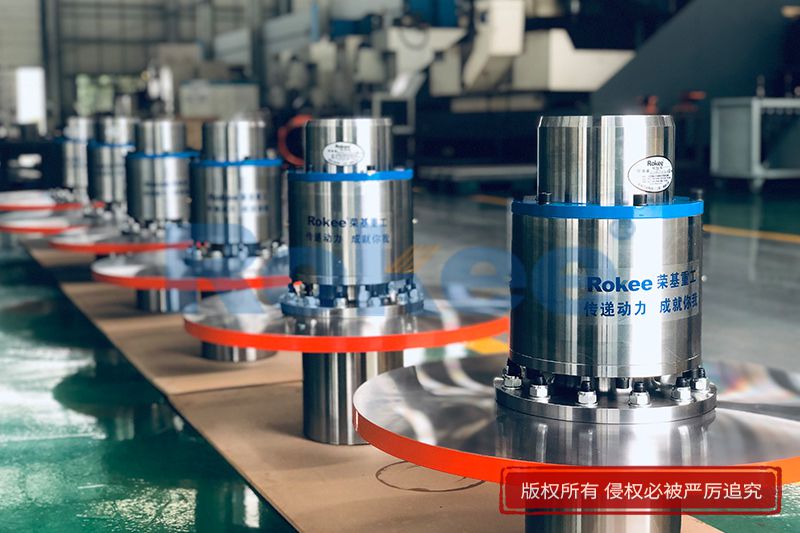
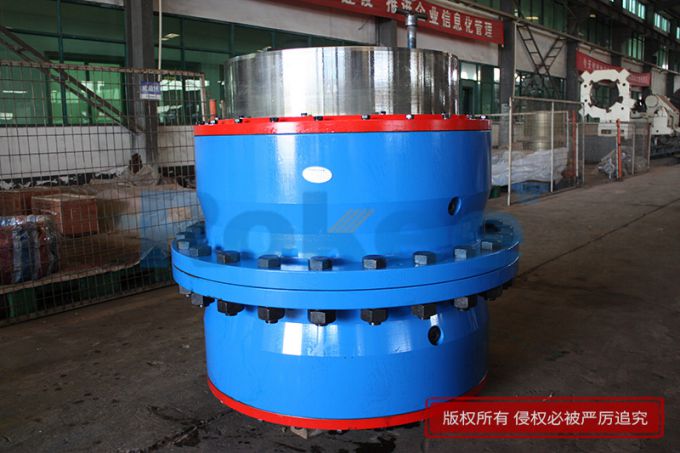
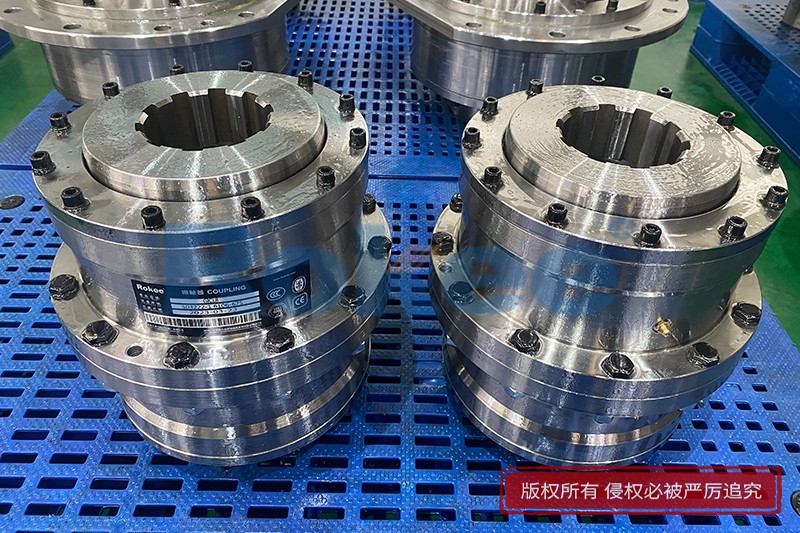
Gear Type Coupling can be applied into various general drive sites. Due to the special hook face drum gear design, in the definitive deviation scope, Gear Type Coupling can effectively avoid the edge stress concentration at tooth meshing, so Gear Type Coupling has outstanding radial and angular centering capacity. Moreover, Gear Type Coupling can ensure long service life.
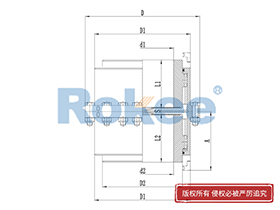
![RODX Drum Gear Coupling,Gear Type Couplings]()
RODX Drum Gear Coupling
Intermediate Connecting Shaft
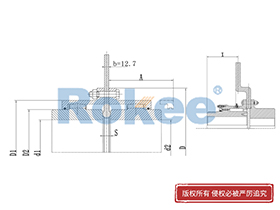
RODX Drum Gear Coupling is an extended type of ROD series coupling with a floating shaft design in the middle, suitable for increasing transmission distance.View More![RODP Drum Gear Coupling,Gear Type Couplings]()
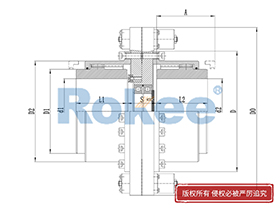
RODP Drum Gear Coupling
With Brake Discs
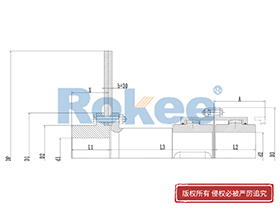
The RODP Drum Gear Coupling is a type of ROD series coupling with a brake disc, suitable for transmission situations where braking needs to be used in conjunction with disc brakes.View More![RODF Drum Gear Coupling,Gear Type Couplings]()
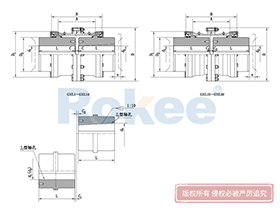
RODF Drum Gear Coupling
Split Type, Brake Disc
The RODF Drum Gear Coupling is a type of ROD series coupling with split brake discs, suitable for transmission situations where there is braking demand and the braking position changes when used in conjunction with disc brakes.View More![RODW Drum Gear Coupling,Gear Type Couplings]()
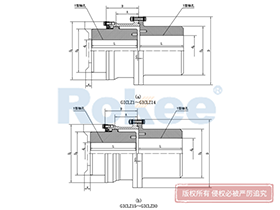
RODW Drum Gear Coupling
With Brake Wheel
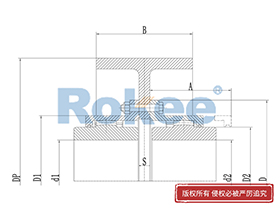
The RODW Drum Gear Coupling is a type of ROD series coupling with brake wheels, suitable for transmission situations where braking needs to be used in conjunction with wheel brakes.View More![RODU Drum Gear Coupling,Gear Type Couplings]()
RODU Drum Gear Coupling
With Brake Wheel
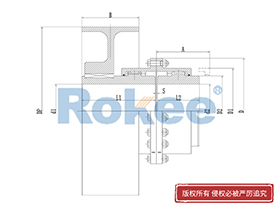
The RODU Drum Gear Coupling is another type of ROD series coupling with brake wheels, suitable for transmission situations where braking needs to be used in conjunction with wheel brakes and applied to one end of the axle, achieving smoother and more reliable braking performance.View More![RODV Drum Gear Coupling,Gear Type Couplings]()
RODV Drum Gear Coupling
Vertical Installation
The RODV Drum Gear Coupling is a vertical installation type of the ROD series coupling, suitable for transmission situations that require vertical transmission torque.View More![RODM Drum Gear Coupling,Gear Type Couplings]()
RODM Drum Gear Coupling
Torsion Protection
The RODM Drum Gear Coupling is a torque setting form of the ROD series coupling. By adjusting relevant components, the maximum transmission torque can be easily set within a certain range. Suitable for shafting transmission situations that require safe torque operation to protect important machine components from excessive damage.View More![GICL Drum Gear Coupling,Gear Type Couplings]()
GICL Drum Gear Coupling
Wide
GICL Drum Gear Coupling has larger inner teeth width, which can transfer torque while compensating for larger axial displacement.View More![GICLZ Drum Gear Coupling,Gear Type Couplings]()
GICLZ Drum Gear Coupling
Connected to Intermediate Shaft
Half of the GICLZ Drum Gear Coupling adopts a non-toothed semi-coupling sleeve structure, which is usually connected in pairs or used in occasions with small angular displacement.View More![GIICL Drum Gear Coupling,Gear Type Couplings]()
GIICL Drum Gear Coupling
Narrow
GIICL Drum Gear Coupling has small inner teeth width, which can transfer torque while compensating for small axial displacement. Also, its structure is compact and the moment of inertia is low.View More![GIICLZ Drum Gear Coupling,Gear Type Couplings]()
GIICLZ Drum Gear Coupling
Connected to Intermediate Shaft
Half of the GIICLZ Drum Gear Coupling adopts a non-toothed semi-coupling sleeve structure, which is usually connected in pairs or used in occasions with small angular displacement. Also, its structure is compact and the moment of inertia is low.View More![GCLD Drum Gear Coupling,Gear Type Couplings]()
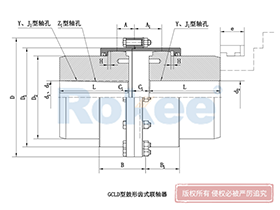
GCLD Drum Gear Coupling
Motor Shaft Extension
GCLD Drum Gear Coupling is generally used for direct connection with the motor, so it generally has a higher speed and compact structure.View More![NGCL Drum Gear Coupling,Gear Type Couplings]()
NGCL Drum Gear Coupling
With Brake Wheel
NGCL Drum Gear Coupling is designed with a brake wheel, suitable for situations where braking is required.View More![NGCLZ Drum Gear Coupling,Gear Type Couplings]()
NGCLZ Drum Gear Coupling
With Brake Wheel
NGCLZ Drum Gear Coupling is designed with a brake wheel, suitable for situations where braking is required. Half of its structure adopts a semi-coupling sleeve design, with smaller angular displacement compensation but more stable braking.View More![WG Drum Gear Coupling,Gear Type Couplings]()
WG Drum Gear Coupling
Basic
The overall characteristics of WG Drum Gear Coupling are similar to those of other drum gear couplings, but with a larger modulus design, which can generally transmit greater torque.View More![WGZ Drum Gear Coupling,Gear Type Couplings]()
WGZ Drum Gear Coupling
With Brake Wheel
WGZ Drum Gear Coupling is designed with a brake wheel, suitable for shoe type braking.View More![WGP Drum Gear Coupling,Gear Type Couplings]()
WGP Drum Gear Coupling
With Brake Discs
WGP Drum Gear Coupling is designed with a brake disc, suitable for disc type braking.View More![WGT Drum Gear Coupling,Gear Type Couplings]()
WGT Drum Gear Coupling
Intermediate Connecting Pipe
WGT Drum Gear Coupling is designed with indirect tube, suitable for long distance torque transfer.View More![WGC Drum Gear Coupling,Gear Type Couplings]()
WGC Drum Gear Coupling
Vertical Installation
WGC Drum Gear Coupling is specially designed for situations where vertical transmission is required, suitable for some vertical transmission systems.View More![WGJ Drum Gear Coupling,Gear Type Couplings]()
WGJ Drum Gear Coupling
Connected to Intermediate Shaft
WGJ Drum Gear Coupling is designed with intermediate shaft, suitable for long distance torque transmission, and some are equipped with axial buffers.View More
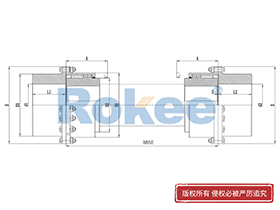
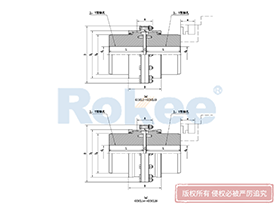
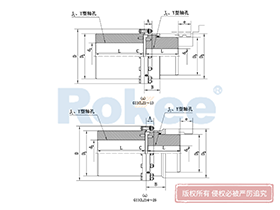
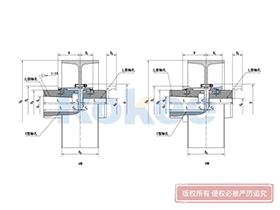
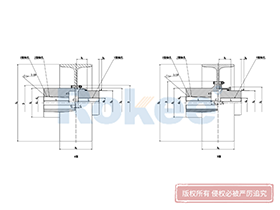
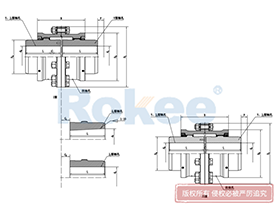
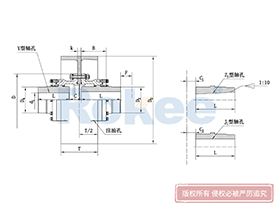
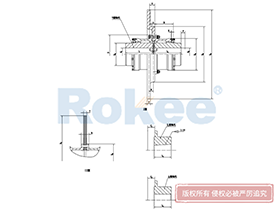
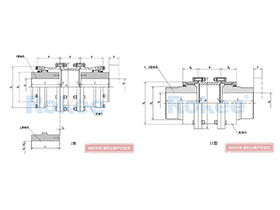
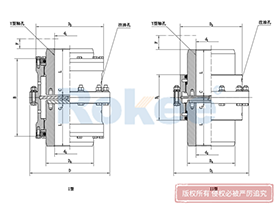
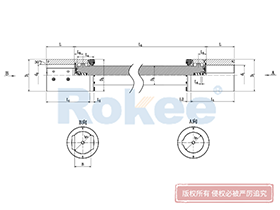
In the realm of industrial power transmission, the ability to efficiently transfer torque between rotating shafts while accommodating misalignments is critical to the reliable operation of machinery. Among the various coupling solutions available, the gear type coupling stands out as a robust and versatile option, widely utilized in heavy-duty and precision applications across multiple industries. Characterized by its high torque capacity, compact design, and exceptional misalignment compensation capabilities, the gear type coupling plays an indispensable role in ensuring the smooth and efficient operation of equipment ranging from steel mill rolling mills to power generation turbines.
1. Fundamentals of Gear Type Couplings
1.1 Definition and Core Function
A gear type coupling is a mechanical device designed to connect two rotating shafts for the purpose of transmitting torque and rotational motion, while simultaneously accommodating three types of misalignments: angular misalignment (where shafts intersect at an angle), parallel misalignment (where shafts are offset parallel to each other), and axial displacement (where shafts move along their central axes). Unlike rigid couplings that require precise shaft alignment, gear type couplings incorporate a flexible gear meshing mechanism that allows for relative movement between shafts, thereby reducing stress on both the coupling itself and the connected machinery components. The core functionality of a gear type coupling lies in its ability to maintain efficient torque transmission even under dynamic operating conditions, making it suitable for applications involving high loads, variable speeds, and harsh environmental factors.
1.2 Working Principle
The working principle of a gear type coupling is based on the meshing of internal and external gear teeth to transfer torque. A typical gear type coupling consists of two key rotating components: external gear hubs (mounted on the ends of the driving and driven shafts) and an internal gear sleeve (or two internal gear rings connected by a spacer) that engages with the external gear hubs. When the driving shaft rotates, torque is transmitted through a key connection to the external gear hub. The meshing of the external gear teeth with the internal gear teeth of the sleeve then transfers this torque to the driven external gear hub, which in turn drives the driven shaft.
The misalignment compensation capability of gear type couplings is achieved through three design features: backlash between the gear teeth, crowning of the gear tooth surfaces, and a major diameter fit. Backlash refers to the clearance between the gear teeth, which not only provides space for lubricant but also allows for slight movement of the sleeve relative to the hubs without binding. Crowning, or the curvature of the external gear tooth surfaces, broadens the contact area between the meshing teeth during misalignment, reducing stress concentration and wear. The major diameter fit, where the tip diameter of the external gear teeth closely matches the root diameter of the internal gear teeth, ensures stable torque transmission while permitting limited axial and radial movement. For drum-shaped gear type couplings, the external teeth are machined into a spherical drum shape with the center of the sphere located on the shaft axis, further enhancing misalignment compensation capabilities by allowing the contact point between the teeth to shift dynamically as the shafts move relative to each other.
2. Structural Components and Configurations
2.1 Key Components
Regardless of the specific type, a gear type coupling comprises several essential components that work together to ensure its functionality and reliability:
- External Gear Hubs: These are sleeve-like components with external gear teeth machined on their outer circumference. They are typically mounted on the driving and driven shafts using keyways, splines, or interference fits to ensure a secure connection that can transmit high torque. External gear hubs are available in two main tooth profiles: straight teeth and drum-shaped teeth. Straight teeth are simpler to manufacture but offer limited misalignment compensation, while drum-shaped teeth provide superior flexibility and are more commonly used in industrial applications.
- Internal Gear Sleeve/Ring: This component features internal gear teeth that mesh with the external gear hubs. It can be a single tubular sleeve (for full gear couplings) or two separate internal gear rings connected by a spacer (for floating shaft couplings). The internal gear teeth are precision-machined to ensure smooth engagement with the external teeth, and their design is optimized to accommodate misalignment while maintaining torque transmission efficiency.
- Sealing Devices: Seals are critical for preventing the leakage of lubricant and the ingress of contaminants such as dust, dirt, and moisture into the gear meshing area. Common sealing configurations include O-rings, lip seals, and labyrinth seals. Effective sealing not only extends the life of the lubricant but also protects the gear teeth from abrasive wear and corrosion.
- End Covers: These are protective components that enclose the ends of the coupling, providing additional support for the sealing devices and preventing damage to the internal gear components from external impacts or debris.
- Lubrication System: While not always a separate component, the lubrication system (including oil holes, grease fittings, and lubricant reservoirs) is essential for the operation of gear type couplings. Lubricant reduces friction between the meshing teeth, dissipates heat, and prevents wear and corrosion.
2.2 Common Configurations
Gear type couplings are available in several configurations to suit different application requirements:
1. Full Gear Coupling: This configuration consists of two external gear hubs and a single internal gear sleeve. It is compact in design and suitable for applications requiring moderate misalignment compensation. The full gear coupling is commonly used in pumps, compressors, and small to medium-sized industrial machinery.
2. Half Gear Coupling: This type combines one external gear hub with one rigid hub. It is used in applications where only one side of the coupling requires flexibility, such as when connecting a gearbox with a rigidly mounted shaft. The half gear coupling offers a cost-effective solution for scenarios with limited misalignment requirements.
3. Floating Shaft Gear Coupling: This configuration includes an intermediate floating shaft connected to two gear type coupling assemblies at either end. It is designed for long-span applications where the distance between the driving and driven shafts is too great for a standard coupling. Floating shaft gear couplings are widely used in paper mills, steel mills, and large conveyor systems.
4. Drum-Shaped Gear Coupling: As mentioned earlier, this type features drum-shaped external teeth that provide enhanced misalignment compensation. It can accommodate larger angular, radial, and axial displacements compared to straight-tooth gear couplings, making it ideal for heavy-duty applications such as mining crushers, rolling mills, and turbine systems.
5. Nylon Gear Coupling: This is a specialized configuration that uses a nylon internal gear ring paired with metal external gear hubs. The nylon material offers self-lubricating properties, reducing maintenance requirements, and can absorb vibration, making it suitable for light to medium-duty applications where noise reduction is a priority.
3. Material Selection and Manufacturing Processes
3.1 Material Requirements
The performance and service life of a gear type coupling are heavily dependent on the materials used for its components. Given the high torque loads, dynamic stresses, and potential exposure to harsh environments, the materials must possess high strength, toughness, wear resistance, and corrosion resistance. The selection of materials is also influenced by the application's operating conditions, such as temperature, speed, and load magnitude.
3.2 Common Materials
- Alloy Steels: High-strength alloy steels such as 42CrMo, 20CrMnTi, and 35CrMo are the most commonly used materials for external gear hubs and internal gear sleeves. These alloys offer excellent tensile strength, toughness, and wear resistance when subjected to appropriate heat treatment. 42CrMo, for example, is widely used due to its high fatigue strength, making it suitable for heavy-duty applications involving cyclic loads.
- Carbon Steels: Medium to high-carbon steels such as 45 steel are used for less demanding applications. While they offer good strength, they are not as resistant to wear and fatigue as alloy steels, making them suitable for light to medium-duty machinery.
- Cast Steels and Cast Irons: Cast steels (e.g., ZG310-570) and cast irons (e.g., HT20-40) are used for components such as end covers and spacers that do not bear the full torque load. Cast materials offer good machinability and cost-effectiveness for non-critical components.
- Non-Metallic Materials: Nylon (e.g., MC nylon, nylon 66) is used for the internal gear rings of specialized nylon gear couplings. These materials provide self-lubrication, vibration absorption, and corrosion resistance, but have lower torque capacity compared to metallic materials.
3.3 Manufacturing and Heat Treatment Processes
The manufacturing of gear type couplings involves several precision processes to ensure the accuracy of the gear teeth and the overall performance of the component:
1. Forging: Most external gear hubs and internal gear sleeves are forged from alloy steel billets. Forging improves the material's grain structure, enhancing its strength and toughness. The forging process ensures that the material can withstand the high stresses encountered during torque transmission.
2. Machining: Precision machining is critical for achieving the required gear tooth profile, dimensions, and surface finish. Processes such as turning, milling, hobbing, and shaping are used to machine the gear teeth. Hobbing is particularly important for producing accurate involute tooth profiles, which ensure smooth meshing and efficient torque transmission. The cumulative error of the tooth pitch is typically controlled within 0.025 mm to ensure precision啮合.
3. Heat Treatment: Heat treatment is essential for enhancing the mechanical properties of the gear components. Common heat treatment processes include:
- Quenching and Tempering: This process involves heating the component to a high temperature, quenching it in a cooling medium (e.g., oil, water), and then tempering it at a lower temperature. It improves the component's strength and toughness, making it suitable for withstanding dynamic loads.
- Carburizing and Quenching: This process is used for gear teeth to improve their surface hardness and wear resistance. The component is heated in a carbon-rich atmosphere, allowing carbon to diffuse into the surface layer, followed by quenching and tempering. This results in a hard surface layer (typically HRC 58-62) and a tough core, which resists both wear and fatigue.
- Nitriding: This process is used to improve the surface hardness and corrosion resistance of gear components. It involves heating the component in a nitrogen-rich atmosphere, causing nitrogen to diffuse into the surface layer. Nitriding produces a hard, wear-resistant surface without significantly affecting the component's core toughness.
4. Finishing: After heat treatment, the gear components may undergo additional finishing processes such as grinding to achieve the required surface finish and dimensional accuracy. Grinding removes any distortions caused by heat treatment and ensures that the gear teeth mesh smoothly.
4. Advantages, Limitations, and Applications
4.1 Key Advantages
Gear type couplings offer several distinct advantages that make them suitable for a wide range of industrial applications:
- High Torque Capacity: The gear meshing design provides a large contact area, allowing gear type couplings to transmit significantly higher torque compared to other coupling types such as jaw couplings or disc couplings. This makes them ideal for heavy-duty applications involving low-speed, high-load operations.
- Excellent Misalignment Compensation: Particularly drum-shaped gear type couplings can accommodate large angular (up to 5 degrees), radial, and axial misalignments. This flexibility reduces the need for precise shaft alignment during installation and compensates for misalignments caused by thermal expansion, vibration, or component wear.
- Compact Design: Gear type couplings have a small radial footprint, making them suitable for applications where space is limited. Their compact design allows for easy integration into existing machinery without requiring significant modifications.
- High Reliability and Long Service Life: When properly lubricated and maintained, gear type couplings are highly reliable and can operate for extended periods in harsh industrial environments. The use of high-strength materials and precision manufacturing processes ensures that they can withstand the rigors of continuous operation.
- Versatility: Gear type couplings can be easily modified to suit specific application requirements, such as adding brake drums, providing electrical isolation, or accommodating limited end float. This versatility makes them adaptable to a wide range of industrial scenarios.
4.2 Limitations
Despite their numerous advantages, gear type couplings also have some limitations that must be considered during selection:
- Requirement for Regular Lubrication: The gear meshing mechanism requires continuous lubrication to prevent wear and overheating. Inadequate or improper lubrication can lead to premature failure, increasing maintenance requirements and costs.
- Noise Generation at High Speeds: At high rotational speeds, the meshing of gear teeth can generate noise and vibration. This limits their suitability for high-speed applications without proper balancing and noise dampening measures.
- Susceptibility to Contamination: The gear meshing area is vulnerable to contamination by dust, dirt, and moisture. Without effective sealing, contaminants can cause abrasive wear and corrosion, reducing the coupling's service life.
- Higher Initial Cost: Compared to some other coupling types, gear type couplings have a higher initial cost due to the precision manufacturing processes and high-quality materials required. However, their long service life and reliability often offset this cost over time.
4.3 Industrial Applications
Due to their high torque capacity and misalignment compensation capabilities, gear type couplings are widely used in various heavy-duty and precision industries:
1. Metallurgy and Steel Industry: Gear type couplings are essential components in rolling mills, continuous casters, and steelmaking equipment. They transmit high torque between motors, gearboxes, and rolling stands, while accommodating misalignments caused by thermal expansion and mechanical vibration.
2. Mining Industry: In mining equipment such as crushers, grinders, and conveyor systems, gear type couplings handle the high torque loads associated with extracting and processing minerals. Their ability to withstand harsh environmental conditions (e.g., dust, moisture) makes them ideal for mining applications.
3. Power Generation: In power plants, gear type couplings are used in turbines, generators, and pumps. They transmit torque between the turbine and generator, while accommodating misalignments caused by thermal expansion and dynamic loads. High-precision, dynamically balanced gear type couplings are used in gas turbine systems to ensure smooth operation at high speeds.
4. Oil and Gas Industry: Gear type couplings are used in pumps, compressors, and drilling equipment. They handle the high torque loads associated with oil and gas extraction and processing, while withstanding corrosive environments and extreme temperatures.
5. Marine Industry: In ship propulsion systems, gear type couplings connect the engine to the propeller shaft. They transmit high torque while accommodating misalignments caused by the ship's movement and thermal expansion of the shafting system.
6. Paper and Pulp Industry: Floating shaft gear type couplings are used in paper machine drive trains, connecting motors, reducers, and rolls. They accommodate the long spans between components and compensate for misalignments caused by the machine's operation.
5. Common Failure Modes and Prevention
5.1 Common Failure Modes
Like any mechanical component, gear type couplings are susceptible to failure if not properly designed, installed, or maintained. The most common failure modes include:
1. Misalignment-Related Failures: Misalignment is the leading cause of gear type coupling failure. Improper installation, thermal expansion, or component wear can result in angular, parallel, or axial misalignment. This causes uneven loading on the gear teeth, leading to premature wear, increased vibration, and fatigue cracking. Over time, misalignment can result in tooth breakage and complete coupling failure.
2. Tooth Wear and Damage: Tooth wear can occur due to inadequate lubrication, contamination, high operating speeds, or abrasive particles in the lubricant. Excessive wear reduces the contact area between the teeth, increasing backlash and reducing torque transmission efficiency. In severe cases, it can lead to tooth chipping or breakage.
3. Fatigue Failure: Cyclic loading and dynamic stresses can cause fatigue failure in gear type couplings. Repeated stress cycles weaken the material, leading to the formation of cracks in the gear teeth or hubs. Over time, these cracks propagate, resulting in sudden failure. Fatigue failure is particularly common in applications involving variable loads or frequent start-stop operations.
4. Lubrication Issues: Inadequate lubrication, use of the wrong lubricant, or lubricant contamination can lead to increased friction, overheating, and accelerated wear. Excessive lubrication can also cause problems, such as leaks and reduced coupling efficiency. Lubrication-related issues are a major contributor to premature coupling failure.
5. Overload Conditions: Operating a gear type coupling beyond its rated torque capacity can cause excessive stress on the gear teeth and hubs. This can lead to tooth breakage, shaft deformation, or complete coupling failure. Overload conditions often occur due to unexpected increases in load, equipment jamming, or incorrect coupling selection.
5.2 Prevention Measures
To minimize the risk of failure and extend the service life of gear type couplings, several preventive measures should be implemented:
1. Proper Installation and Alignment: During installation, precise shaft alignment is critical. Laser alignment tools should be used to ensure that the shafts are aligned within the coupling's specified limits. Alignment checks should also be performed after any maintenance or component replacement, as part replacements can compromise alignment.
2. Regular Lubrication Maintenance: A comprehensive lubrication program should be implemented, including the use of the correct type and grade of lubricant, regular lubricant level checks, and scheduled lubricant replacement. Oil analysis can be used to monitor the condition of the lubricant, detecting contamination or wear particles early. Effective sealing should also be maintained to prevent lubricant leakage and contamination.
3. Regular Inspection and Monitoring: Routine inspections should be performed to check for signs of wear, damage, or misalignment. Visual inspections can detect cracks, tooth wear, or oil leaks. Vibration monitoring and thermography can be used to identify abnormal operating conditions, such as excessive vibration or overheating, which may indicate underlying issues.
4. Torque and Bolt Checks: Periodic checks should be performed to ensure that the coupling bolts are tightened to the specified torque values. Loose bolts can cause misalignment and increased vibration, while damaged or worn bolts should be replaced immediately to prevent coupling failure.
5. Proper Coupling Selection: The gear type coupling should be selected based on the application's operating conditions, including torque, speed, misalignment, and environmental factors. Using a coupling with a rated torque capacity that exceeds the application's maximum torque requirement can help prevent overload conditions.
6. Scheduled Overhauls: Regular overhauls should be scheduled based on the coupling's operating hours and manufacturer's recommendations. During overhauls, the coupling should be disassembled, cleaned, and inspected thoroughly. Worn or damaged components should be replaced, and the coupling should be reassembled according to the manufacturer's specifications.
6. Conclusion
The gear type coupling is a critical component in industrial power transmission systems, offering high torque capacity, excellent misalignment compensation, and reliable performance in harsh operating conditions. Its versatile design and ability to adapt to a wide range of applications make it indispensable in industries such as metallurgy, mining, power generation, and oil and gas. Understanding the fundamental principles, structural configurations, material selections, and maintenance requirements of gear type couplings is essential for ensuring their optimal performance and longevity.
While gear type couplings have some limitations, such as the need for regular lubrication and susceptibility to contamination, these can be mitigated through proper installation, regular maintenance, and proactive monitoring. By implementing effective preventive measures, operators can minimize the risk of failure, reduce downtime, and maximize the efficiency of their machinery.
As industrial machinery continues to evolve towards higher loads, speeds, and efficiency, the gear type coupling will remain a key component in power transmission systems. Ongoing advancements in materials, manufacturing processes, and lubrication technology will further enhance the performance and reliability of gear type couplings, ensuring their continued relevance in the industrial landscape.
« Gear Type Couplings » Post Date: 2023/12/26
URL: http://www.rokee.com/en/tags/gear-type-couplings.html