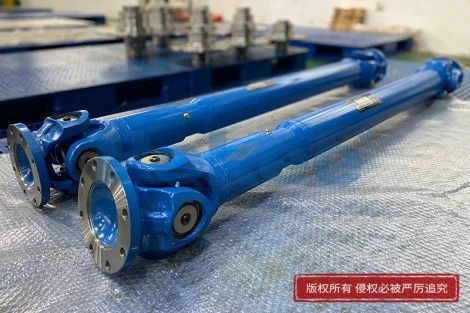
Toothed Couplings
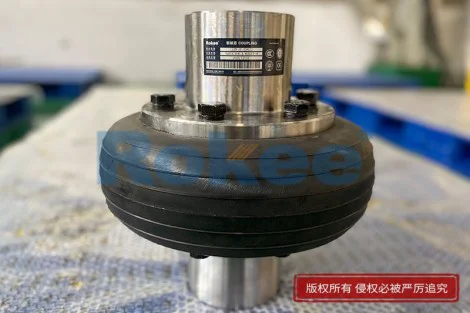
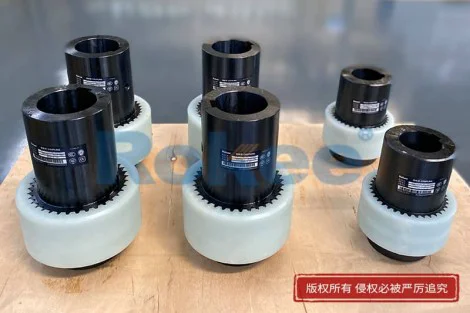
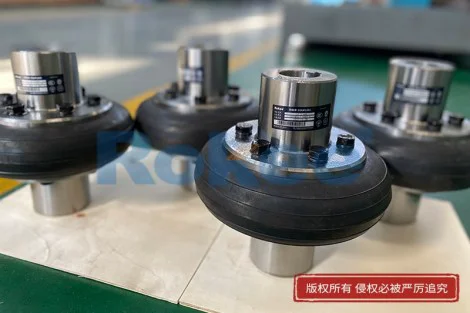
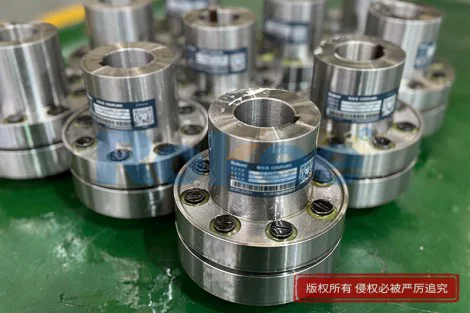
Rokee is a manufacturer of toothed couplings from china, we can provide non-standard custom toothed couplings based on parameters or drawings supplied by customers, with export support available.
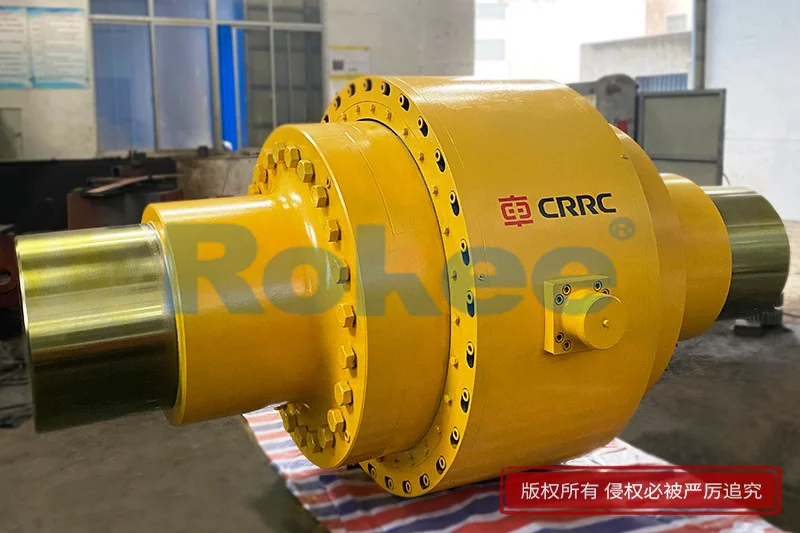
In the complex and interconnected mechanical transmission systems that underpin modern industrial production, couplings serve as indispensable core components that bridge rotating shafts, transmit power, and maintain the stability of mechanical operation. Among the diverse types of couplings available in the mechanical industry, toothed couplings stand out as a high-performance rigid movable transmission component, widely recognized for their exceptional load-bearing capacity, reliable displacement compensation capability, and compact structural design. As industrial equipment continues to develop toward high speed, heavy load, and high precision, the role of toothed couplings in ensuring efficient and stable operation of transmission systems has become increasingly prominent. They are extensively deployed in heavy machinery, metallurgical equipment, mining systems, petrochemical facilities, and marine engineering equipment, forming a critical guarantee for the continuous and efficient operation of modern industrial mechanical systems.


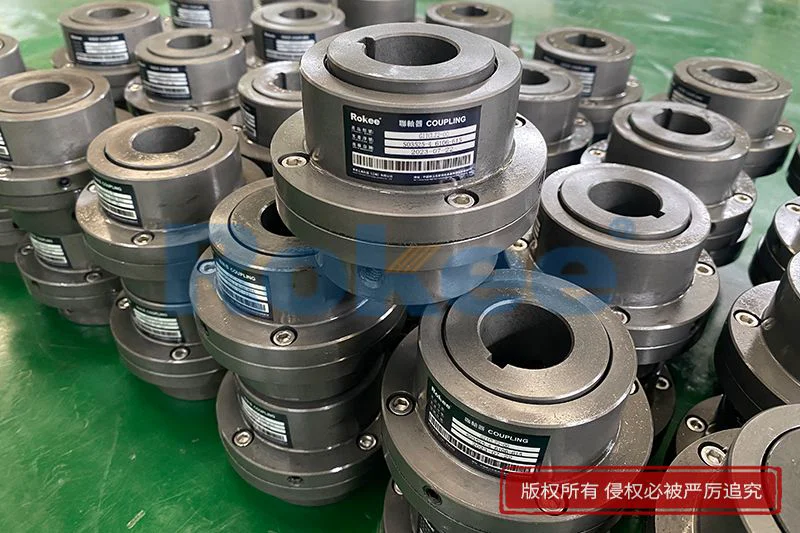
Essentially, a toothed coupling is a mechanical transmission device that relies on the meshing of internal and external gear teeth to transmit torque and rotational motion. Its basic structural composition follows a mature and optimized mechanical design logic, mainly consisting of two outer gear hubs with identical tooth counts and one or two internal gear rings matching the tooth parameters. The outer gear hubs are fixedly installed on the driving shaft and driven shaft respectively, while the internal gear rings wrap around the outer gears to form a closed meshing structure. Different from ordinary rigid couplings that only achieve simple shaft connection and lack adaptive adjustment capabilities, the unique tooth profile matching design of toothed couplings endows them with dual core functions: efficient power transmission and multi-dimensional axis displacement compensation. This functional integration makes them far more adaptable to complex industrial working conditions than traditional coupling products.
The working principle of toothed couplings is built on classic gear meshing transmission theory and the adaptive displacement adjustment characteristics formed by the fit clearance between internal and external gear tooth profiles. During the operation of mechanical equipment, the power source drives the driving shaft and the connected outer gear hub to rotate synchronously. Through the continuous meshing action between the outer gear teeth and the internal gear teeth of the gear ring, torque and rotational power are stably transmitted from the driving end to the driven end, thereby driving the entire mechanical transmission system to operate. In this power transmission process, the precision-machined gear teeth achieve seamless engagement, ensuring almost zero slip power transmission and effectively avoiding energy loss caused by friction and slip that is common in friction-type couplings.
What distinguishes toothed couplings most significantly is their excellent displacement compensation performance. In actual industrial scenarios, it is nearly impossible to achieve absolute coaxial alignment of two connected rotating shafts due to factors such as equipment installation errors, mechanical vibration during operation, thermal deformation of metal components after long-term high-load operation, and foundation settlement. Tiny deviations in axial, radial, and angular directions between the two shafts are inevitable. The structural clearance reserved by the tooth profile fit of toothed couplings allows relative sliding and slight angular deflection between internal and external gear teeth during operation. This mechanical characteristic enables the coupling to automatically compensate for various minor axis displacements generated during equipment operation, effectively eliminating additional mechanical stress caused by shaft misalignment.
This stress elimination function is of great significance for protecting mechanical equipment. When shaft misalignment occurs, traditional rigid couplings will transmit additional bending stress, shear force, and torsional vibration to the shaft body, bearings, and box structure of the equipment. Long-term accumulation of such stress will cause abnormal wear of bearings, fatigue deformation of shafts, loose connection of mechanical parts, and even premature failure of key components. Toothed couplings, by contrast, absorb and offset these abnormal stresses through the flexible adaptive movement of meshing gear teeth, maintaining the stability of the power transmission path and greatly reducing the failure rate of the entire transmission system.
The superior comprehensive performance of toothed couplings stems from their exquisite structural design and strict manufacturing precision. In terms of structural characteristics, toothed couplings feature a highly compact layout. Under the same torque transmission specification, their overall installation size is far smaller than that of flexible couplings such as belt couplings and chain couplings, and they occupy less axial and radial installation space. This advantage makes them particularly suitable for integrated mechanical equipment with compact internal structures and limited installation space for transmission components. Despite their compact size, their load-bearing capacity is extremely outstanding. The multi-tooth meshing structure enables the load to be evenly distributed on each meshing gear tooth, avoiding local stress concentration. This uniform stress distribution allows the coupling to withstand large instantaneous impact loads and long-term stable heavy-load operation, meeting the harsh load requirements of heavy industrial equipment.
The tooth profile processing precision directly determines the operating performance and service life of toothed couplings. Formal manufacturing processes adopt high-precision gear machining equipment and strict production tolerances to process tooth profiles, pitch diameters, and tooth surface finish. The smooth and uniform tooth surface ensures stable meshing operation, reduces friction resistance during power transmission, and improves the overall transmission efficiency of the mechanical system. Meanwhile, standardized tooth parameter design ensures the consistency of meshing clearance, enabling the coupling to maintain stable compensation performance under different operating speeds and load conditions, and avoiding transmission jitter or power attenuation caused by uneven meshing.
Lubrication and sealing systems are key auxiliary structures that ensure the long-term reliable operation of toothed couplings and are core links that cannot be ignored in product design and daily use. The closed space formed by the internal gear ring and outer gear hub constitutes an independent lubrication cavity, which can store sufficient lubricating media. On the one hand, the lubricating oil or grease filled in the cavity forms a uniform oil film on the meshing tooth surfaces, converting dry friction between metal tooth surfaces into fluid friction, greatly reducing friction and wear during meshing operation, lowering operating noise, and improving transmission efficiency. On the other hand, the closed sealing structure can effectively isolate external dust, moisture, corrosive gases, and other impurities, preventing external pollutants from entering the meshing area to cause tooth surface corrosion, abrasion, and jamming.
A good sealing and lubrication system also avoids the leakage of internal lubricating media, ensuring the sustainability of the lubrication effect. In high-speed and long-term continuous operating scenarios, the friction heat generated by gear meshing can be effectively dissipated through the circulating flow of lubricating media, preventing thermal deformation of gear teeth caused by excessive temperature, which helps maintain the precision of tooth profile meshing and prolong the service life of the coupling. In contrast, insufficient lubrication or failed sealing will directly lead to accelerated wear of tooth surfaces, increased operating noise, reduced transmission accuracy, and even meshing jamming and coupling failure in severe cases, causing equipment shutdown losses.
Toothed couplings exhibit extremely strong working condition adaptability, covering a wide range of operating speeds and temperature environments. In terms of speed adaptation, they can maintain stable power transmission performance from low-speed heavy-load operation to high-speed precise operation, with no obvious performance attenuation within the conventional speed range of industrial mechanical equipment. This wide speed adaptation enables them to be applied to both low-speed heavy machinery such as mine hoists and high-speed operating equipment such as industrial fans and centrifugal pumps. In terms of environmental adaptation, through optimized material selection and surface treatment processes, qualified toothed couplings can operate stably in conventional normal temperature environments, as well as in low-temperature cold environments and high-temperature heat environments generated by industrial production.
In addition, the integral rigid structure of toothed couplings gives them excellent torsional rigidity. During power transmission, they will not produce obvious torsional deformation or elastic hysteresis, ensuring high-precision synchronous rotation of the driving and driven shafts. This characteristic is particularly important for mechanical equipment that requires high transmission accuracy, such as precision transmission systems of metallurgical rolling equipment and power transmission structures of automated production lines. It can effectively ensure the synchronization of mechanical movement, improve the processing accuracy and operation stability of equipment, and reduce product quality problems caused by transmission errors.
In the field of industrial application, toothed couplings have become the preferred transmission component for heavy-duty and high-stability mechanical systems due to their comprehensive performance advantages. In the metallurgical industry, rolling mills, sintering equipment, and steel-making auxiliary equipment often operate under heavy load, continuous operation, and severe vibration conditions. Toothed couplings can withstand long-term impact loads and vibration interference, maintain stable power transmission, and adapt to the high-intensity operating rhythm of metallurgical production. In the mining industry, mining conveyors, hoisting equipment, and crushing machinery have harsh working environments with large dust and complex load changes. The good sealing performance and impact resistance of toothed couplings can effectively cope with harsh mining conditions and reduce equipment failure rates.
In the petrochemical industry, most production equipment operates continuously for 24 hours, requiring extremely high reliability of transmission components. The long service life and stable operation performance of toothed couplings ensure the continuous and uninterrupted operation of petrochemical production lines, avoiding production shutdowns caused by coupling failure. In marine engineering and shipbuilding industries, ship power transmission systems and offshore engineering equipment need to adapt to swaying working conditions and humid and corrosive marine environments. The displacement compensation capability and good environmental adaptability of toothed couplings can effectively offset shaft displacement caused by equipment sway and structural deformation, and resist environmental corrosion, ensuring the reliability of marine power transmission.
Although toothed couplings have excellent comprehensive performance, their operating state is still affected by installation accuracy, lubrication maintenance, and working condition changes, so standardized use and scientific maintenance are essential to give full play to their performance advantages. Installation accuracy is the primary factor affecting the operating effect of toothed couplings. Excessive installation deviation will exceed the coupling's allowable compensation range, resulting in abnormal meshing of gear teeth, increased local wear, and additional vibration and noise. Therefore, in the installation process, it is necessary to strictly calibrate the coaxiality of the two shafts to control the installation deviation within the standard allowable range.
Lubrication maintenance is the core of prolonging the service life of toothed couplings. Different working conditions correspond to different lubrication cycle requirements. For high-speed, heavy-load, and continuous operating equipment, the lubricating media needs to be replaced regularly to ensure the lubrication and heat dissipation effect. For low-speed and intermittent operating equipment, the sealing state and lubricant reserve should be checked regularly to avoid dry friction caused by lubricant loss. At the same time, it is necessary to select lubricating media that meet the working condition requirements, avoid using inferior lubricants that are prone to deterioration and poor fluidity, and prevent adverse effects on gear tooth meshing.
Daily inspection and maintenance also include checking the sealing integrity of the coupling, observing whether there is lubricant leakage, abnormal vibration, and abnormal noise during operation. Once abnormal problems are found, equipment operation should be checked and adjusted in a timely manner to avoid minor faults evolving into major component failures. In addition, for equipment that has been operated for a long time, regular disassembly and inspection of gear tooth wear, tooth profile deformation, and part fatigue damage are required, and worn or failed parts should be replaced in a timely manner to ensure the long-term stable operation of the transmission system.
Compared with other common coupling types, the performance advantages of toothed couplings are very prominent. Flexible couplings such as elastic sleeve couplings rely on elastic deformation to achieve displacement compensation, but their load-bearing capacity is limited, and elastic parts are prone to fatigue aging, making them unsuitable for long-term heavy-load operation. Rigid flange couplings have high rigidity but no displacement compensation capability, and slight shaft misalignment will cause severe equipment vibration and component wear. Toothed couplings perfectly balance high rigidity, high load-bearing capacity, and multi-dimensional compensation performance, achieving complementary advantages in transmission efficiency, stability, and service life.
With the continuous progress of mechanical manufacturing technology, the performance of toothed couplings is also constantly optimized and upgraded. Modern manufacturing technologies such as precision CNC machining and integral forging molding further improve the machining accuracy and structural strength of gear teeth. New high-strength and wear-resistant materials enhance the wear resistance, corrosion resistance, and fatigue resistance of couplings, adapting to more extreme industrial working conditions. At the same time, optimized tooth profile design and structural improvement further reduce meshing friction and operating noise, improve transmission efficiency, and make toothed couplings more in line with the development needs of modern high-efficiency, energy-saving, and low-noise industrial equipment.
In the entire mechanical transmission system, toothed couplings are small in volume but undertake the core power transmission and buffer protection functions. Their operating state directly affects the operating efficiency, stability, and safety of the entire mechanical equipment. In modern industrial production that pursues high efficiency, high stability, and low failure rate, the application value of toothed couplings is irreplaceable. They not only solve the technical problems of power transmission and shaft displacement compensation for heavy-duty mechanical equipment but also reduce the maintenance cost and downtime loss of industrial equipment, providing solid technical support for the stable operation of industrial production systems.
Looking ahead, as industrial equipment continues to advance toward intelligence, high precision, and extreme working condition adaptation, the technical upgrading of toothed couplings will continue. The integration of intelligent monitoring structures, optimization of lightweight high-strength structures, and adaptation to ultra-high speed and ultra-heavy load working conditions will become the main development directions of toothed coupling technology. As a basic core component of mechanical transmission, toothed couplings will continue to play an important role in various industrial fields and become an important cornerstone supporting the stable development of modern mechanical industry.
« Toothed Couplings » Update Date: 2026/7/15
Contact
If you require custom machined couplings, please contact Rokee via the contact information below for inquiries.
Email: Rokee@Rokee.com
 WeChat