Pin Couplings
Rokee is a manufacturer of pin couplings from china, we can provide non-standard custom pin couplings based on parameters or drawings supplied by customers, with export support available.
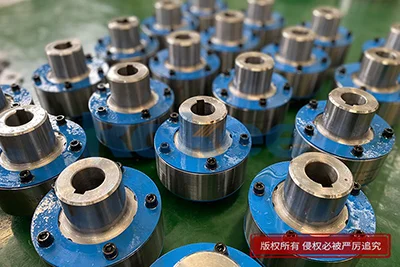
In the complex and interconnected mechanical transmission systems that underpin modern industrial operations, coupling components serve as indispensable core elements responsible for connecting rotating shafts, transmitting torque, and coordinating the stable operation of mechanical equipment. Among numerous coupling types, pin coupling stands out as a classic and versatile flexible transmission component, favored for its simple and robust structural design, excellent misalignment compensation capability, reliable shock absorption and vibration reduction performance, as well as convenient installation and maintenance characteristics. It has been widely applied in general machinery, heavy industry, agricultural equipment, marine facilities and various other industrial scenarios, becoming a key guarantee for the long-term stable operation of medium and low-speed, high-torque transmission systems. Unlike rigid couplings that lack flexibility and elastic couplings with complex structures, pin coupling achieves a perfect balance between structural simplicity and operational flexibility, adapting to the complex and variable working conditions of industrial production, and has irreplaceable application value in the field of mechanical transmission.

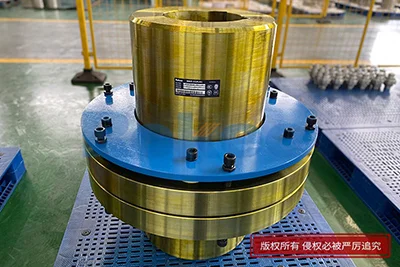
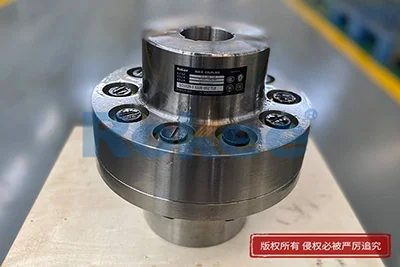
The basic structural composition of pin coupling follows a concise and practical design logic, with the core components including two flanged hubs and a set of matching pin and elastic bushing assemblies. The two flanged hubs are respectively installed on the end parts of the driving shaft and the driven shaft, realizing the butt joint of the two shaft systems through the cooperation of pins and elastic bushings. The pins are uniformly distributed along the radial direction of the flange end face, penetrating the reserved mounting holes of the two flanges, while the elastic bushings made of high-elasticity polymer materials or modified rubber materials are sleeved on the outer side of the pins, forming a flexible connection structure between the rigid flanges. This unique pin-bushing matching structure is the core source of all excellent performances of pin coupling. The overall structure has no redundant transmission parts, no complex gear meshing structures or multi-layer elastic component combinations, and the integrated design greatly improves the structural rigidity and operational stability of the coupling itself. Meanwhile, the modular component layout makes each part independent and replaceable, laying a solid foundation for subsequent daily maintenance and component replacement.
The working principle of pin coupling is based on elastic deformation and flexible force transmission, realizing efficient and stable torque transmission while buffering and eliminating mechanical vibration and impact. In the operating state, the driving shaft drives the active flange hub to rotate synchronously, and the rotational torque is transmitted to the pins through the contact force between the flange holes and the elastic bushings. The pins then drive the driven flange hub to rotate, thereby realizing the synchronous operation of the driving shaft and the driven shaft and completing the power transmission process. In this process, the elastic bushings between the pins and the flanges play a decisive flexible buffering role. When the equipment is started, stopped or bears sudden load changes, the instantaneous impact force generated by torque fluctuation will be absorbed and decomposed by the micro-elastic deformation of the bushings, avoiding the direct rigid collision between the two flanges and effectively protecting the shaft system, bearings and other precision components from impact damage. In addition, due to the elastic deformation allowance of the bushings, the coupling can automatically compensate for various minor misalignment problems inevitably generated during equipment installation and long-term operation, including angular misalignment, parallel offset misalignment and axial displacement misalignment, ensuring the continuous and stable operation of the transmission system under non-ideal alignment conditions.
The unique structural design and working mechanism endow pin coupling with multiple outstanding performance advantages that adapt to industrial complex working conditions. First of all, it has excellent misalignment adaptation capability, which can effectively tolerate the comprehensive misalignment errors generated by installation deviations, equipment operation vibration, component wear and thermal expansion and contraction of materials. This performance greatly reduces the installation accuracy requirements of mechanical shaft systems, lowers the installation and debugging cost of equipment, and avoids the transmission efficiency reduction and component wear acceleration caused by shaft misalignment. Secondly, pin coupling has reliable shock absorption and noise reduction effects. The elastic bushing material can effectively dampen the high-frequency vibration generated during mechanical operation, isolate vibration transmission between adjacent equipment structures, reduce the overall vibration amplitude of the unit, and significantly lower the mechanical operation noise, improving the working environment of industrial equipment and reducing vibration fatigue damage of mechanical components.
In terms of load-bearing performance, pin coupling shows superior adaptability to high-torque and heavy-load working conditions. The metal pins with high structural strength can bear large shear force and torque load, ensuring efficient and stable power transmission under long-term heavy-load operation without deformation or failure. The matching elastic bushings can uniformly distribute the local stress generated by load concentration, avoid excessive stress concentration on individual pins or flange parts, and improve the overall load uniformity and service life of the coupling. Moreover, compared with other flexible couplings, pin coupling has obvious advantages in structural stability and environmental adaptability. It does not rely on complex lubrication systems during operation, avoids equipment failures caused by lubricant deterioration, leakage or insufficient lubrication, and can work stably in dusty, humid, slightly corrosive and other harsh industrial environments, with strong environmental resistance and low operational failure rate.
Maintenance convenience is another core advantage of pin coupling, which greatly reduces the daily operation and maintenance cost of industrial equipment. The overall structure is simple and easy to disassemble and assemble. When the elastic bushings are worn, aged or damaged after long-term operation, users only need to disassemble the flange connecting parts to replace the bushings and individual pins without disassembling the overall mechanical equipment or adjusting the shaft alignment state. The replacement process is efficient and convenient, with short equipment downtime, which effectively improves the operation rate of industrial production equipment. In addition, the service life of pin coupling components is long under normal working conditions. The metal pins have high wear resistance and structural stability, and the elastic bushings with optimized material formula have excellent aging resistance and fatigue resistance, which can adapt to long-cycle continuous industrial production operations and reduce the frequency of component replacement and equipment maintenance.
Relying on the above comprehensive performance advantages, pin coupling has been widely used in various industrial fields involving mechanical power transmission. In the field of general manufacturing machinery, it is commonly applied to conventional transmission equipment such as conveyors, mixers, crushers and fans. These devices usually operate continuously for a long time, with frequent start-stop actions and unstable load changes. The shock absorption and misalignment compensation performance of pin coupling can effectively adapt to such working characteristics, ensure the stable operation of the transmission system, and reduce the failure rate of conventional mechanical equipment. In heavy industrial fields such as metallurgy, mining and building materials production, mechanical equipment often faces heavy-load, low-speed and high-impact working conditions. The high-torque bearing capacity and strong impact resistance of pin coupling can fully meet the harsh operation requirements of heavy machinery, providing reliable power transmission guarantee for mining machinery, metallurgical rolling equipment and building material processing equipment.
In the field of agricultural machinery and municipal engineering equipment, pin coupling also shows good application adaptability. Agricultural machinery such as tillers, harvesters and irrigation equipment often operates in complex field environments with dust, sediment and humidity, and the working load changes with different operation links. The good environmental adaptability and low maintenance characteristics of pin coupling can adapt to the harsh field operation environment, avoiding frequent equipment failures caused by environmental factors. Municipal equipment such as sewage treatment equipment and road maintenance machinery also relies on the stable transmission performance of pin coupling to ensure the continuous operation of public infrastructure equipment. In addition, in marine and port machinery fields, pin coupling can adapt to the vibration and sway environment generated by ship and port equipment operation, compensate for the shaft displacement caused by hull shaking and equipment vibration, and ensure the stable power transmission of marine transmission systems and port handling equipment.
Although pin coupling has excellent comprehensive performance, its application scenarios have certain targeted limitations due to its structural and material characteristics, which need to be fully considered in equipment design and model selection. Restricted by the structural form and elastic material performance, pin coupling is more suitable for medium and low-speed transmission systems. In ultra-high-speed rotating equipment, the centrifugal force generated by the pin and bushing structure may cause structural vibration and transmission instability, and the elastic bushing is prone to accelerated aging and failure under long-term high-speed friction. At the same time, pin coupling is not applicable to high-precision transmission scenarios that require extremely high shaft alignment accuracy and zero transmission error, because the micro-deformation of elastic components will produce slight transmission displacement, which cannot meet the precision requirements of precision instruments and high-precision processing equipment. In addition, in extreme high-temperature or low-temperature environments beyond the material tolerance range, the elastic bushing material will undergo performance degradation, such as hardening, cracking or softening and deformation, resulting in reduced damping effect and misalignment compensation capability, thus affecting the overall service performance of the coupling.
Scientific type selection and standardized daily maintenance are key factors to ensure the long-term stable operation of pin coupling and give full play to its performance advantages. In the type selection stage, it is necessary to comprehensively evaluate multiple indicators such as the actual working torque of the equipment, operating speed, misalignment range, working environment temperature and load fluctuation frequency. It is necessary to select the coupling specification matching the working conditions according to the actual transmission demand, avoiding the problems of insufficient load-bearing capacity caused by too small model or increased transmission inertia and wasted performance caused by too large model. At the same time, the material of elastic bushings and pins should be reasonably selected according to the environmental characteristics. For conventional indoor working environments, ordinary modified rubber bushings can meet the demand; for harsh environments such as high temperature, humidity and slight corrosion, polyurethane and other high-performance elastic materials with better aging resistance and corrosion resistance should be selected to improve the environmental adaptability of the coupling.
Daily maintenance and inspection work directly determines the service life and operation stability of pin coupling. In the conventional equipment operation process, regular visual inspection and performance check should be carried out. The key inspection contents include the wear degree of elastic bushings, whether there is aging, cracking, deformation and failure, whether the pins are loose, deformed or worn, and whether there is abnormal vibration and noise during coupling operation. For equipment operating in high-load and harsh environments, the inspection cycle should be appropriately shortened to timely discover potential hidden dangers of components. When abnormal wear or failure of components is found, replacement and maintenance should be carried out in a timely manner to avoid small component failures leading to overall transmission system failure and affecting the normal operation of the entire equipment. In the installation process, standard installation specifications should be followed to ensure the reasonable alignment of the two shafts, avoid excessive initial misalignment caused by improper installation, and reduce the long-term overload operation loss of the coupling.
With the continuous progress of industrial manufacturing technology and the continuous upgrading of mechanical equipment towards high efficiency, energy saving and long life, pin coupling technology is also constantly optimized and innovated. In terms of material research and development, new high-elasticity, high-temperature resistant and wear-resistant composite elastic materials are gradually applied to the production of coupling bushings, which further improve the service life, environmental adaptability and fatigue resistance of the coupling. In terms of structural optimization, through finite element simulation analysis and mechanical performance test, the structural size and layout of pins and flanges are optimized, the stress distribution of components is more uniform, the load-bearing efficiency is improved, and the overall structural weight is reduced, realizing lightweight and high-strength design. In addition, with the development of intelligent operation and maintenance technology, pin coupling is gradually combined with vibration monitoring and fault diagnosis technology. By monitoring the vibration amplitude and operating state of the coupling in real time, intelligent early warning of component wear and failure is realized, which further improves the intelligent operation and maintenance level of mechanical transmission systems.
In the entire field of mechanical transmission components, pin coupling, as a mature and classic flexible coupling product, has maintained strong market vitality and application value by virtue of its simple structure, reliable performance, wide adaptability and low maintenance cost. It solves many practical problems in industrial production, such as difficult shaft alignment, easy vibration and impact of transmission systems, and high maintenance cost of equipment, and provides a stable and efficient basic guarantee for the operation of various industrial mechanical equipment. In the future, with the continuous development of industrial intelligence and high-end manufacturing, pin coupling will continue to complete technological iteration and performance upgrading, adapt to more diversified and high-standard industrial application scenarios, and play a more important role in the safe, stable and efficient operation of modern mechanical transmission systems. For industrial equipment design, maintenance and operation management, fully understanding the performance characteristics, application scope and maintenance points of pin coupling is of great significance to improving the overall operation efficiency of equipment, reducing production and maintenance costs, and ensuring the safe and stable operation of industrial production systems.
« Pin Couplings » Update Date: 2026/7/15
Contact
If you require custom machined couplings, please contact Rokee via the contact information below for inquiries.
Email: Rokee@Rokee.com
 WeChat