Single Diaphragm Couplings
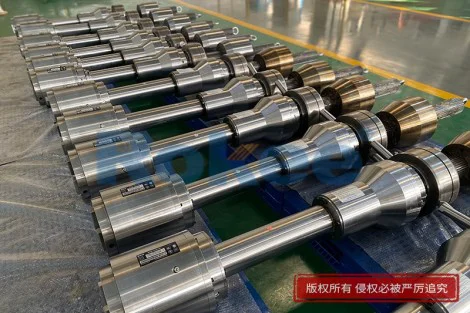
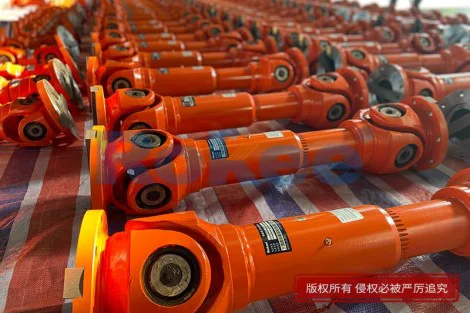
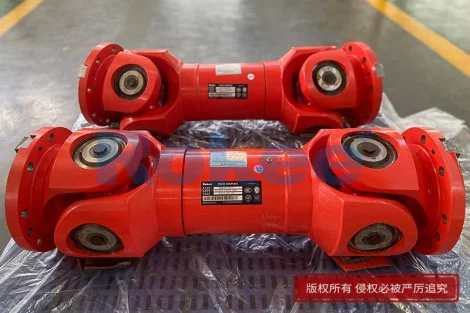
Rokee is a manufacturer of single diaphragm couplings from china, we can provide non-standard custom single diaphragm couplings based on parameters or drawings supplied by customers, with export support available.
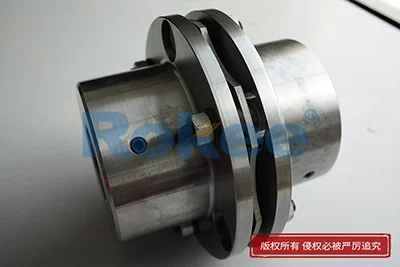
Single diaphragm couplings are widely favored flexible transmission components in modern mechanical transmission systems, featuring a minimalist structural design and reliable operational performance. Composed of a single metal diaphragm and two rigid connecting hubs, these couplings serve the core functions of torque transmission and shaft misalignment compensation for rotating mechanical equipment. Different from multi-diaphragm structures, the single-diaphragm design integrates stress bearing and displacement adjustment functions into one thin metal component, achieving a balance between compact size and basic flexible compensation capability. They are primarily applied in light to medium-load industrial scenarios with minor shaft installation deviations and stable operating conditions, delivering zero-backlash rotation, high torsional rigidity, and strong resistance to environmental interference.
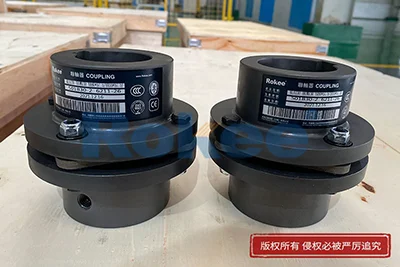
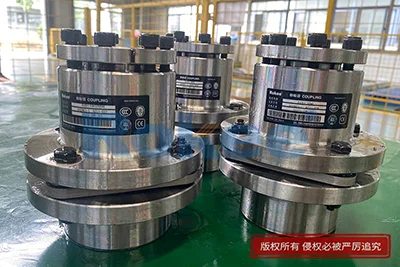
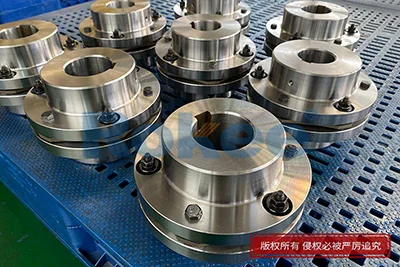
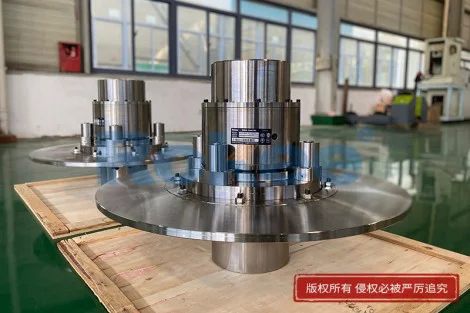
The structural composition of single diaphragm couplings is extremely streamlined, which constitutes the fundamental basis for their compact and efficient operation. The core component is a single high-strength metal diaphragm, usually made of stainless steel materials with excellent elasticity and fatigue resistance, featuring a thin and uniform plate structure that ensures consistent stress distribution during operation. The diaphragm is clamped and fixed between two symmetrical rigid hubs, which are processed with precise connecting structures to match the shaft ends of driving and driven equipment. No redundant auxiliary transmission parts are added to the overall structure, eliminating the mechanical gaps and wear problems caused by gear meshing or elastic sleeve extrusion in traditional couplings. The bolt groups used for connection are evenly arranged along the diaphragm circumference, realizing synchronous fixation and force transmission. This integrated and simplified structure not only reduces the overall volume and weight of the coupling but also lowers the failure rate of mechanical components. The single-diaphragm layout avoids the cumulative tolerance errors of multi-diaphragm combinations, ensuring higher rotational accuracy in high-speed operation and making it more suitable for mechanical equipment with limited installation space and strict requirements for structural compactness.
The working principle of single diaphragm couplings relies entirely on the elastic deformation characteristics of the metal diaphragm to realize torque transmission and misalignment compensation. During equipment operation, the driving shaft drives the active hub to rotate, and torque is uniformly transmitted to the metal diaphragm through the fastening bolts. Driven by elastic force, the diaphragm synchronously drives the passive hub and the connected driven shaft to complete continuous rotary motion, realizing stable power transmission between the two shafts. In actual mechanical operation, it is difficult to achieve absolute coaxiality of the driving and driven shafts due to manual installation errors, equipment vibration, and thermal expansion and contraction of metal parts. The single diaphragm can produce tiny, reversible elastic deformation to adapt to three common shaft displacements: axial stretching deviation, small-range radial offset, and angular deflection. This flexible compensation effect effectively avoids additional bending stress and friction load on the shaft system and bearings caused by rigid connection. Unlike rigid couplings that force coaxial operation, single diaphragm couplings buffer mechanical vibration and impact through diaphragm deformation, protecting the shaft system and extending the stable operation cycle of the entire transmission system.
Single diaphragm couplings possess unique core performance advantages that distinguish them from other types of flexible couplings, making them irreplaceable in specific industrial transmission scenarios. First, they achieve complete zero-backlash transmission, as the integrated metal diaphragm structure leaves no rotational gap during torque transmission, ensuring precise synchronous rotation of the driving and driven shafts, which is critical for precision transmission equipment requiring accurate position control. Second, the product features outstanding environmental adaptability, with metal diaphragm materials resisting corrosion from oil stains, acid and alkali substances, and extreme temperature changes, avoiding aging, deformation, and failure of rubber and plastic elastic components used in traditional couplings. Third, the high torsional rigidity design enables the coupling to maintain stable transmission efficiency under continuous torque load, without obvious torsional deformation or power loss. In addition, the single-diaphragm structure has low operating noise and vibration, as the uniform stress distribution reduces mechanical friction and resonance during high-speed operation. These comprehensive performances enable single diaphragm couplings to maintain long-term stable operation in complex industrial environments with low maintenance costs.
The application scope of single diaphragm couplings is highly targeted, mainly covering light and medium-load precision mechanical transmission scenarios with small misalignment requirements. They are widely used in small and medium-sized industrial conveying equipment, including light-duty belt conveyors and screw conveying devices, where they ensure stable power output and reduce equipment vibration during long-term continuous operation. In fluid machinery fields, the couplings match with small industrial water pumps and oil pumps, effectively compensating tiny shaft deviations generated by equipment operation and avoiding pump body jitter and liquid transmission instability. They also show excellent performance in automated precision equipment such as small servo motor transmission systems and precision spindle transmission devices, where zero-backlash and high-precision transmission characteristics guarantee the positioning accuracy and operating stability of automated equipment. Moreover, single diaphragm couplings are applicable to light-duty power transmission scenarios in packaging machinery, printing equipment, and small mechanical processing devices. Limited by the single-diaphragm compensation capacity, they are not suitable for heavy-load equipment or scenarios with large shaft misalignment, showing strong scenario specificity in practical industrial applications.
Standardized installation and commissioning processes are key to giving full play to the performance of single diaphragm couplings and ensuring long-term stable operation. Before installation, it is necessary to carefully check the flatness and integrity of the metal diaphragm surface to exclude scratches, deformation, and metal fatigue defects that may affect elastic deformation. The coaxiality of the driving and driven shafts must be precisely calibrated to control shaft misalignment within the adaptable range of the single diaphragm, as excessive deviation will cause irreversible fatigue deformation of the diaphragm and shorten service life. During installation, the fastening bolts need to be tightened symmetrically and evenly to ensure uniform stress on the diaphragm circumference; asymmetric fastening will lead to local stress concentration and abnormal wear of the component. After installation, low-speed no-load trial operation is required to observe the rotation stability of the coupling and check for abnormal vibration and noise. Formal load operation can only be carried out after confirming no abnormal conditions. In daily commissioning, attention should be paid to avoiding sudden overload start and frequent positive and negative rotation switching, which can effectively reduce the impact load on the diaphragm and maintain the consistent transmission performance of the coupling for a long time.
The service life and operational stability of single diaphragm couplings are affected by multiple internal and external factors, among which operating load and working environment are the most critical. Long-term overload operation is the main cause of diaphragm fatigue failure; when the transmitted torque exceeds the adaptable range of the single diaphragm, continuous excessive elastic deformation will lead to metal fatigue, crack generation, and eventual fracture failure. The operating environment temperature also has a significant impact: long-term high-temperature working conditions will reduce the elastic toughness of the metal diaphragm, while low-temperature environments will increase material brittleness, both weakening the compensation performance and structural stability of the coupling. In addition, frequent mechanical impact and vibration in the operating system will accelerate the aging of the diaphragm structure and cause loose connection of fastening parts. Installation accuracy is also an important influencing factor; long-term operation with excessive shaft misalignment will make the diaphragm bear alternating stress for a long time, greatly shortening its service life. Reasonable matching of load conditions, standardized installation, and regular environmental inspection can effectively delay component aging and maintain the long-term stable performance of the coupling.
With the continuous upgrading of modern lightweight and precision mechanical equipment, the application value and market demand of single diaphragm couplings are constantly improving in the mechanical transmission industry. Their compact structure, high precision, zero backlash, and low maintenance characteristics are highly compatible with the development trend of miniaturization, high efficiency, and precision of modern industrial equipment. Compared with multi-diaphragm couplings with complex structures and high costs, single diaphragm couplings meet the lightweight and economical design needs of most light and medium-load transmission equipment while ensuring basic transmission accuracy and stability. Compared with traditional elastic couplings, they solve the problems of easy aging, low precision, and poor environmental adaptability of non-metal elastic components. In the future, with the continuous optimization of metal material performance and processing technology, the misalignment compensation capacity and load adaptability of single diaphragm couplings will be further improved, expanding their application boundaries in precision automation, new energy equipment, and light industrial machinery, and becoming an indispensable basic component in modern mechanical transmission systems.
« Single Diaphragm Couplings » Update Date: 2026/8/5
URL: https://www.rokee.com/en/tags/single-diaphragm-couplings.html
Contact
If you require custom machined couplings, please contact Rokee via the contact information below for inquiries.
Email: Rokee@Rokee.com
 WeChat