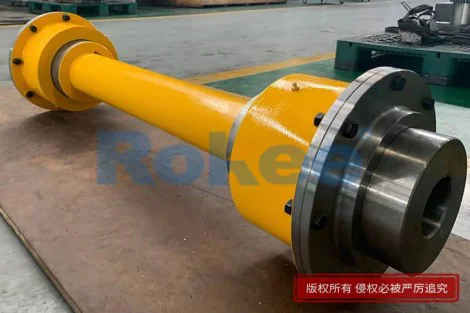
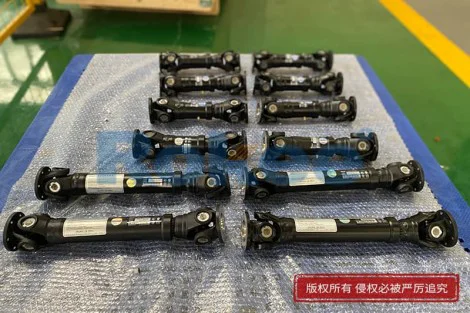
Universal shaft of 4000mm plate main mill
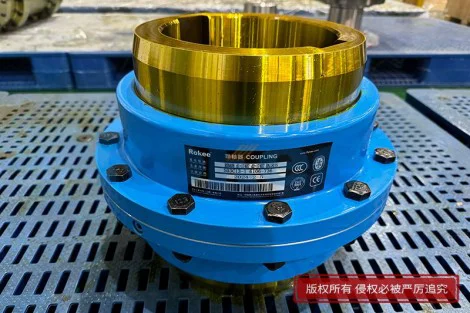
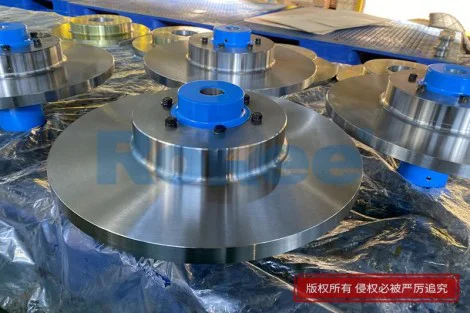
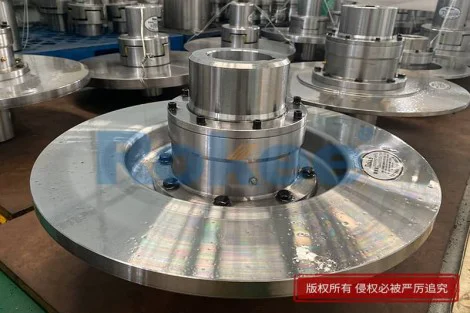
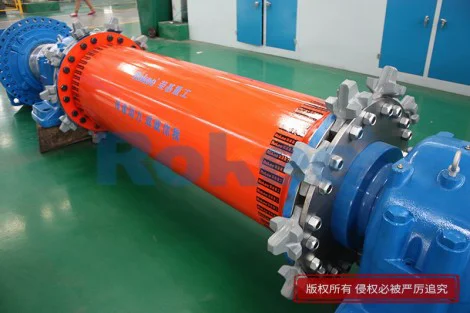
The universal shaft of a 4000mm plate main mill serves as a core power transmission component for large-scale metal plate rolling equipment, undertaking the critical task of transferring rotational torque and mechanical power between the mill’s driving system and rolling rollers. Designed exclusively for 4000mm wide plate rolling scenarios, this specialized universal shaft adapts to the high-load, continuous, and high-precision working environment of heavy plate milling, effectively compensating for angular displacement, axial deviation and installation errors generated during equipment operation. As a key connecting part in the rolling mill transmission chain, it directly influences the operational stability, rolling precision and continuous production capacity of the entire plate milling system. Different from ordinary universal shafts for general machinery, this 4000mm plate mill model features enhanced structural rigidity, optimized load-bearing performance and improved motion coordination, perfectly matching the large-span rolling demands of wide metal plates and ensuring uniform power output in long-term industrial rolling operations.

The structural configuration of the universal shaft for 4000mm plate main mills is scientifically optimized to adapt to the extreme working conditions of wide-plate rolling production. The overall structure consists of precision-machined fork joints, central cross shaft assemblies, high-strength bearing units and integrated connecting segments, all of which work in synergy to realize flexible torque transmission and multi-directional displacement compensation. The fork joints adopt an integral forging molding process, eliminating structural gaps and weak points that may appear in welded structures, and maintaining stable structural strength under long-cycle heavy load impacts. The central cross shaft, as the core force-bearing and rotating component, is designed with a symmetrical stress distribution structure to evenly disperse the huge torque generated during 4000mm plate rolling, avoiding local stress concentration and component deformation. The internal bearing assemblies are customized for continuous high-speed rotation and heavy-pressure working states, with excellent wear resistance and anti-fatigue performance to cope with frequent start-stop and variable-load rolling processes. Every structural detail is tailored to the large-span working characteristics of 4000mm plate mills, ensuring the shaft can maintain accurate power transmission even with minor structural deformation and position deviation of the main mill equipment.
The core functional characteristics of the 4000mm plate main mill universal shaft are centered on high-efficiency power transmission and adaptive motion compensation, which are essential for stable wide-plate rolling processing. In actual production, the rolling of 4000mm ultra-wide metal plates will cause slight vibration, roller displacement and frame micro-deformation of the main mill equipment, which easily leads to angular and axial misalignment between the driving end and the rolling roller end. This universal shaft can flexibly adjust its operating angle and axial position through the cooperative movement of internal cross shaft and bearing structures, effectively offsetting various displacement deviations without affecting the continuity and uniformity of torque transmission. It maintains consistent rotational speed and torque output throughout the full width of the 4000mm plate rolling process, ensuring uniform rolling force acting on the entire plate surface and avoiding uneven plate thickness, surface wrinkles and other quality defects caused by unstable power transmission. Additionally, the shaft features excellent dynamic balance performance, which suppresses operational vibration during high-load rolling, reduces equipment operation noise, and creates stable mechanical conditions for high-precision forming of wide metal plates.
Material selection for the 4000mm plate main mill universal shaft strictly follows the demands of heavy-duty industrial rolling environments, laying a solid foundation for its durability and operational reliability. The main body and core force-bearing components are made of high-toughness, high-strength alloy materials with excellent comprehensive mechanical properties, which can withstand long-term alternating loads, instantaneous impact forces and high-pressure friction generated in wide-plate rolling. After multiple precision heat treatment processes including quenching and tempering, the material achieves balanced hardness and toughness, effectively resisting surface wear, structural fatigue and plastic deformation under continuous industrial operation. The surface of key components is treated with anti-corrosion and wear-resistant processes to adapt to the complex production environment with dust, humidity and metal oxide residues in rolling workshops, preventing component rusting, abrasion and performance attenuation. Auxiliary connecting parts adopt matched high-strength structural materials to ensure consistent load-bearing capacity of the entire shaft assembly, avoiding performance differences caused by material mismatch. This rigorous material matching and processing technology enables the universal shaft to maintain stable working performance in long-term uninterrupted 4000mm plate rolling production.
The operational adaptability of the universal shaft enables it to fit diverse rolling process requirements of 4000mm wide plates, showing strong flexibility in industrial production. It can adapt to the rolling processing of various metal plate materials with different hardness and thickness specifications, stably transmitting power during both thin-plate precision rolling and thick-plate heavy-pressure rolling processes. In variable-speed rolling operations required by different production processes, the shaft can maintain smooth power transmission without jitter or torque loss, adapting to frequent switching of low-speed high-torque and high-speed stable rotation working modes. Moreover, it is compatible with the mechanical vibration and load fluctuation characteristics of large-scale 4000mm plate main mills during peak production periods, maintaining structural stability and transmission accuracy under intermittent impact loads. Its reasonable structural tolerance design also allows it to adapt to minor installation deviations and later equipment aging deformation of the main mill, reducing equipment adjustment frequency and improving the overall operation adaptability of the rolling mill system in long-term production cycles.
The installation and commissioning process of the 4000mm plate main mill universal shaft is standardized and precise, which is crucial to giving full play to its working performance. Before installation, all components need to be carefully inspected for surface abrasion, structural deformation and assembly gaps to ensure each part meets operational precision requirements. The assembly process strictly follows the mechanical matching logic of the transmission system, ensuring accurate alignment between the universal shaft and the driving mechanism and rolling roller connection ends, and controlling assembly gaps within a reasonable range to avoid transmission jitter caused by excessive deviation. After preliminary assembly, professional dynamic debugging is carried out to calibrate the torque transmission uniformity, rotational flexibility and displacement compensation sensitivity of the shaft under no-load and simulated load conditions. The commissioning process also verifies the adaptive performance of the shaft under different operating angles and loads, eliminating potential hidden troubles such as unsmooth rotation and uneven stress. Standardized installation and debugging not only maximize the transmission efficiency and service life of the universal shaft, but also ensure the overall coordination and stability of the 4000mm plate mill transmission system.
Daily maintenance and scientific management are key to maintaining the long-term stable operation of the 4000mm plate main mill universal shaft and reducing production failure rates. Conventional daily maintenance includes regular cleaning of component surfaces to remove accumulated metal dust, oxide residues and lubricant impurities, which avoids abrasive wear of moving parts caused by foreign matter. Regular inspection of bearing operating status, connecting tightness and structural wear degree is required to timely discover minor abrasion and loose assembly problems. Scientific lubrication management is essential; matching high-performance lubricants are selected and replaced regularly according to operating frequency and load intensity to reduce friction loss between internal moving parts and inhibit component aging. In addition, regular dynamic balance detection and performance calibration are carried out for the shaft to correct minor structural deformation and transmission deviation generated by long-term operation. Systematic maintenance measures effectively reduce sudden equipment failures, extend the service cycle of the universal shaft, and ensure the continuous and efficient operation of 4000mm wide plate rolling production lines.
The application value and development potential of the 4000mm plate main mill universal shaft are prominent in the field of heavy plate processing. As a key supporting component for wide-plate rolling equipment, its stable performance directly improves the rolling precision and product qualification rate of 4000mm ultra-wide metal plates, reducing material waste and rework costs in production. Its high durability and low failure rate greatly improve the continuous operation efficiency of large rolling mills, meeting the high-capacity production demands of modern metal processing industries. With the continuous upgrading of wide-plate rolling technology towards higher precision, higher efficiency and stronger intelligence, the universal shaft is also evolving in structural optimization, performance improvement and adaptive upgrading. Future optimization directions include lighter high-strength structures, more sensitive displacement compensation performance and longer fatigue life, which will further adapt to the increasingly stringent working conditions of large-scale wide-plate rolling and provide more reliable core transmission support for the high-quality development of the metal plate processing industry.
Tags: Universal Shafts , Universal Shaft Couplings , Universal Shaft Joint , pu sandwich panel machine , pu sandwich panel line
« Universal shaft of 4000mm plate main mill » Update Date: 2026/8/13
Contact
If you require custom machined couplings, please contact Rokee via the contact information below for inquiries.
Email: Rokee@Rokee.com
 WeChat