High Speed Steel Laminae Coupling
High speed steel laminae coupling is a high-performance metal flexible transmission component specially optimized for high-speed mechanical drive systems, standing out among various coupling types for its unique laminated steel structure and excellent dynamic performance. Unlike traditional elastic couplings that rely on rubber or polymer deformation, this coupling adopts multi-layer high-speed steel thin plates as the core flexible deformation unit, realizing torque transmission and shaft misalignment compensation through the micro elastic deformation of metal laminae. It perfectly balances high torsional rigidity and flexible displacement capacity, effectively adapting to axial, radial, and angular deviations between connected shafts during high-speed operation. With outstanding high-speed stability, fatigue resistance, and environmental adaptability, it avoids the aging, deformation and failure problems of non-metallic coupling materials. Widely applied in high-speed rotating equipment such as precision machine tools, industrial transmission shafts, and high-speed power machinery, it ensures efficient, stable and long-term reliable power transmission for high-load and high-speed operating scenarios.

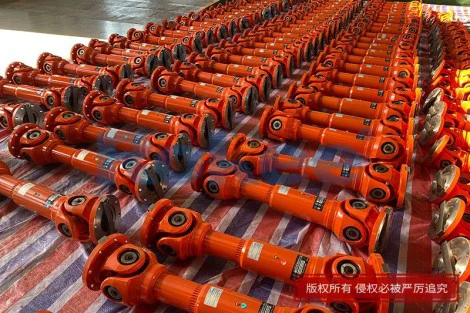
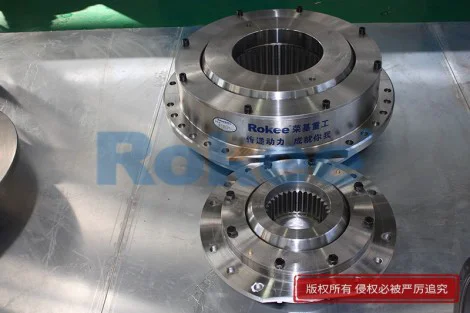
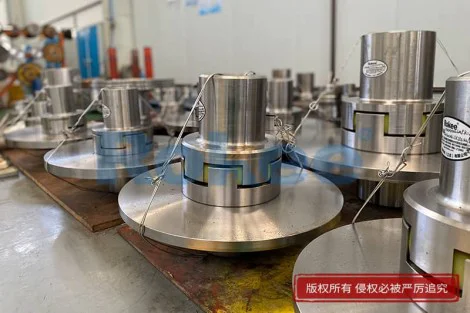
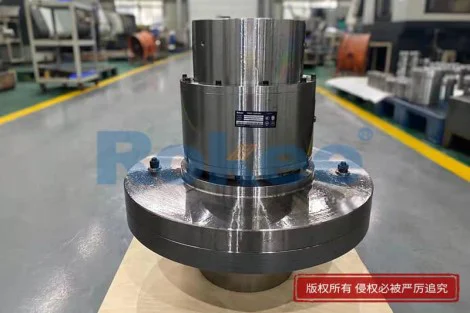
The structural design of high speed steel laminae coupling is refined and highly scientific, centered on stacked high-speed steel laminae groups that determine its core working performance. The overall structure mainly includes metal hubs, multi-layer laminated steel sheets, high-strength fasteners and intermediate connecting components, forming an integrated rigid-flexible combination structure. Multiple ultra-thin high-speed steel laminae are stacked in an orderly manner and fixed with staggered high-precision bolts between the driving and driven hubs, forming the flexible core of torque transmission. The high-speed steel material endows each lamina with uniform thickness, stable mechanical properties and excellent elastic recovery capability, avoiding structural deformation or performance attenuation under long-term cyclic load. The laminated design disperses stress concentration effectively during operation; when torque is transmitted, each steel sheet bears load evenly and produces coordinated micro elastic deformation. This structural feature eliminates the rigid impact of traditional rigid couplings and the low rigidity defect of elastic couplings, enabling the coupling to maintain precise torque transmission while absorbing tiny shaft displacements. Moreover, the compact integrated structure reduces overall equipment occupation space and simplifies assembly and disassembly processes without complex auxiliary transmission parts.
The working principle of high speed steel laminae coupling is based on the elastic deformation theory of high-strength metal materials, realizing efficient and stable power transmission through controllable micro deformation of laminated steel sheets. In the operating state, the torque output by the driving equipment is first transmitted to the laminated steel laminae group through the fixed bolts on the driving hub. Driven by torque, the multi-layer steel laminae produce synchronous micro torsion and bending deformation, and stably transfer the power to the driven hub and the connected driven shaft. During the whole transmission process, the elastic deformation of the steel laminae is tiny and reversible, ensuring no energy loss or transmission delay while maintaining high transmission efficiency. When unavoidable misalignments occur between the driving and driven shafts due to equipment installation errors, mechanical vibration or operating thermal expansion, the laminated structure can adaptively adjust its deformation state. It compensates axial deviation through stretching and shrinking along the shaft direction, offsets radial deviation through lateral bending, and corrects angular deviation through torsional deformation. This adaptive compensation mechanism avoids additional mechanical stress on shafts, bearings and equipment bodies, greatly reducing operating wear and vibration impact of the transmission system.
High speed steel materials lay a solid foundation for the superior comprehensive performance of laminae couplings, distinguishing them from ordinary steel laminated couplings. High speed steel features ultra-high tensile strength, excellent fatigue resistance and outstanding high-temperature mechanical stability, which are crucial for long-term high-speed operation. Under high-speed rotating conditions, the coupling needs to withstand frequent cyclic torque and alternating stress, and high speed steel can maintain stable structural elasticity without plastic deformation or fatigue cracking after millions of cyclic operations. Different from carbon steel and alloy steel, high speed steel retains stable hardness and toughness in a wide temperature range, avoiding performance decline caused by temperature rise from high-speed friction and operation heat. In addition, this material has good chemical stability, resisting corrosion from industrial oil, weak acid and alkali substances and atmospheric oxidation, so the laminated steel sheets will not rust or degrade in harsh industrial environments. The uniform material texture of high speed steel ensures consistent deformation performance of each lamina, preventing local stress overload and partial failure, and greatly extending the overall service life of the coupling.
High speed steel laminae coupling possesses unique dynamic performance advantages that make it highly suitable for high-precision and high-speed transmission scenarios. Its most prominent feature is the combination of high torsional rigidity and low displacement resistance. The integral laminated steel structure provides strong torsional rigidity, ensuring synchronous and accurate rotation of driving and driven shafts without angular deviation, which meets the precision transmission requirements of high-speed precision machinery. Meanwhile, the flexible elastic deformation capability of multi-layer steel sheets enables it to buffer and absorb high-frequency vibration and instantaneous impact load generated during high-speed equipment start-up, shutdown and variable-speed operation. Compared with elastic couplings, it has no material aging and stiffness attenuation, and can maintain stable vibration damping performance for a long time. In high-speed rotating working conditions, the optimized lightweight laminated structure reduces rotational inertia, effectively lowering the dynamic load on equipment bearings and reducing operating energy consumption. Its excellent high-speed running stability avoids resonance phenomenon in high-frequency rotation, ensuring smooth and noise-free operation of the entire transmission system.
The environmental adaptability and maintenance advantages of high speed steel laminae coupling further enhance its application value in industrial production. As an all-metal flexible coupling, it completely gets rid of the limitations of non-metallic materials, such as easy aging, low and high temperature failure, and oil corrosion damage. It can operate stably in low-temperature cold environments, high-temperature heat working conditions and humid and dusty industrial scenes without performance attenuation or structural damage. The all-metal structure has strong wear resistance and anti-aging ability, with no vulnerable wearing parts, avoiding frequent replacement of elastic accessories required by traditional couplings. In terms of daily maintenance, the coupling realizes maintenance-free operation in conventional working conditions, without regular lubrication, oil replacement or tension adjustment. The closed and stable structural design prevents dust and impurities from entering the laminated gap, avoiding stuck deformation or transmission failure. This maintenance-free feature greatly reduces equipment operation and maintenance costs, lowers downtime loss caused by coupling failure, and improves the continuous operating efficiency of industrial production lines.
High speed steel laminae coupling covers a wide range of industrial application scenarios, mainly serving various high-speed and high-precision mechanical transmission systems. It is widely used in precision CNC machine tool transmission structures, where its high rigidity and high precision transmission performance ensure the machining accuracy of high-speed rotating spindles. In high-speed fan and blower equipment, it adapts to long-term high-speed continuous operation, buffers operating vibration, and improves equipment operating stability and service life. It also plays an important role in industrial pump high-speed transmission systems, effectively compensating shaft displacement caused by equipment operation vibration and thermal deformation, and preventing shaft seizure and bearing wear. In addition, it is applied in high-speed power transmission fields such as precision transmission machinery and automated production equipment, providing stable and efficient power connection for high-speed operating units. Whether it is high-load continuous operation or high-precision intermittent operation, the coupling can maintain stable working performance, adapting to diversified and complex industrial working conditions.
With the continuous upgrading of industrial high-speed transmission technology, the technical optimization and application prospects of high speed steel laminae coupling are becoming increasingly broad. At present, the coupling is constantly optimized in structural design and material processing technology, with more refined lamina thickness control and more precise assembly processes, further improving transmission precision and fatigue resistance. The lightweight structural optimization design further reduces rotational inertia, making it more suitable for ultra-high-speed transmission scenarios. In terms of processing technology, advanced precision cutting and surface treatment technologies enhance the flatness and smoothness of high-speed steel laminae, reducing internal friction and stress concentration during deformation. As industrial machinery develops towards high speed, high precision and high efficiency, the demand for high-performance transmission couplings continues to rise. Relying on its excellent comprehensive performance of high speed resistance, high precision, long life and maintenance-free, high speed steel laminae coupling will gradually replace traditional couplings in more high-end industrial transmission fields, becoming a core key component to support the stable operation of modern high-speed mechanical equipment.
Tags: Diaphragm Couplings , Single Diaphragm Couplings , Flexible Diaphragm Coupling , pu sandwich panel machine , pu sandwich panel line
« High Speed Steel Laminae Coupling » Update Date: 2026/8/13
Contact
If you require custom machined couplings, please contact Rokee via the contact information below for inquiries.
Email: Rokee@Rokee.com
 WeChat