Uses of Couplings
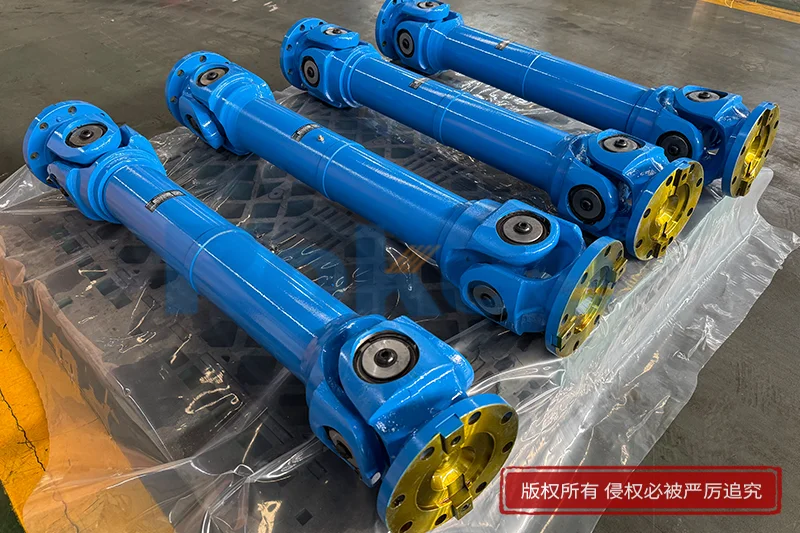
Couplings serve as essential mechanical components widely applied in various mechanical transmission systems, playing irreplaceable roles in ensuring stable and efficient equipment operation. Primarily, they connect two rotating shafts to transmit torque and rotational motion, enabling coordinated operation between driving and driven parts in diverse machinery. Beyond basic power transmission, couplings effectively compensate for minor axial, radial and angular misalignments between connected shafts, which are commonly caused by manufacturing errors, installation deviations or equipment operation wear. They also act as a vital buffer structure, absorbing vibration and reducing impact force during mechanical operation to alleviate component friction and abrasion. Additionally, couplings can protect core mechanical parts by limiting transmitted torque, avoiding severe damage to equipment when overloaded. With these practical functions, they guarantee the reliability, safety and service life of all kinds of rotating mechanical systems in industrial operation.
Uses of Flexible Membrane Couplings
2026-08-18Flexible membrane couplings are indispensable mechanical transmission components widely adopted in modern industrial machinery and precision equipment systems, standing out for their unique structural design and comprehensive functional advantages. Composed of elastic membrane ele…Uses of Shim Pack Couplings
2026-08-13Shim pack couplings are high-performance metal flexible transmission components widely adopted across modern industrial and precision mechanical systems, serving as critical connecting units for shaft power transmission. Featuring a laminated shim structure and all-metal rigid-fle…Uses of Steel Laminated Flexible Couplings
2026-07-17Steel laminated flexible couplings stand out as indispensable core components in modern mechanical transmission systems, serving as a critical connecting medium between driving shafts and driven shafts in various mechanical equipment. Unlike traditional rigid couplings that lack a…Universal Coupling Joint Uses
2026-07-15A universal coupling joint, often referred to simply as a universal joint or U-joint, is a fundamental mechanical component that has reshaped the design and functionality of countless mechanical systems across global industries. At its core, this device serves the critical purpose…Use Of Universal Couplings
2025-07-21Tyre Type Coupling Uses
2024-08-07Cross Cardan Shaft Uses
2024-07-01Flexible Plate Coupling Uses
2024-06-19Metallic Disc Coupling Uses
2024-06-12Rubber Tire Coupling Uses
2024-06-12Teeth Coupling Uses
2024-06-07Universal Joint Uses
2024-06-04Universal Shaft Joint Uses
2024-05-29Telescopic Universal Joint Uses
2024-05-20Universal Coupling Shaft Uses
2024-05-13Flange Universal Joint Coupling Uses
2024-05-10Tire Shaft Coupling Uses
2024-05-10Tooth Gear Coupling Uses
2024-05-08Half Gear Coupling Uses
2024-05-08Universal Drive Shaft Uses
2024-05-07Tooth Coupling Uses
2024-04-15Shim Coupling Uses
2024-04-15Industrial Cardan Shaft Uses
2024-04-02Plate Coupling Uses
2024-04-01Stainless Steel Jaw Coupling Uses
2024-03-19Universal Shaft Coupling Uses
2024-03-19Universal Shaft Uses
2024-03-11Plum Blossom Coupling Uses
2024-03-08Uses of Flexible Gear Couplings
2024-02-20Industrial Gear Coupling Uses
2024-02-18Toothed Coupling Uses
2024-02-04Universal Coupling Uses
2024-02-01Multi Jaw Coupling Uses
2024-01-29Bush Coupling Uses
2024-01-29Full Flex Gear Coupling Uses
2024-01-29Jaw Type Coupling Uses
2024-01-23Uses of Tyre Coupling
2024-01-20Rubber Tyre Coupling Uses
2024-01-20Cardan Joint Drive Shaft Uses
2024-01-19Pin Bush Type Flexible Coupling Uses
2024-01-13Face Gear Coupling Uses
2024-01-13Uses of Flexible Pin Couplings
2024-01-12Uses of Spline Gear Couplings
2024-01-12Uses of Universal Joint Shaft Couplings
2024-01-11Universal Cross Joint Coupling Uses
2024-01-11Gear Type Coupling Uses
2024-01-11Uses of Flexible Pin Bush Couplings
2024-01-11Flexible Jaw Shaft Coupling Uses
2024-01-10Uses of Universal Joint Shaft Coupler
2024-01-10Uses of Jaw Flexible Couplings
2024-01-10Uses of Jaw Type Flexible Couplings
2024-01-10Uses of Barrel Gear Couplings
2024-01-09Uses of Gear Shaft Couplings
2024-01-09Uses of Bush Pin Type Flexible Couplings
2024-01-09Cardan Shaft Uses
2024-01-09Uses of Full Gear Couplings
2024-01-08Uses of Flexible Claw Couplings
2024-01-08Uses of Drum Couplings
2024-01-08Uses of Cardan Driveshafts
2024-01-08Uses of Claw Type Flexible Couplings
2024-01-06Uses of Flexible Laminated Membrane Couplings
2024-01-06Uses of Pin Couplings
2024-01-06Steel Plate Flexible Coupling Uses
2024-01-06Uses of Universal Joint Shafts
2024-01-04Uses of Curved Tooth Couplings
2024-01-04Uses of Disc Membrane Couplings
2024-01-03Uses of Flexible Plum Blossom Coupling
2024-01-02Flexible Tyre Coupling Uses
2024-01-02Uses of Curved Jaw Coupling
2024-01-02Uses of Gear Tooth Coupling
2023-12-29Uses of Crown Pin Coupling
2023-12-29Uses of Crown Gear Coupling
2023-12-29Cardan Shaft Coupling Uses
2023-12-29Flexible Diaphragm Coupling Uses
2023-12-29Uses of Curved Tooth Gear Coupling
2023-12-29Pin Type Flexible Coupling Uses
2023-12-26Uses of Cardan Coupling
2023-12-25Crowned Tooth Gear Coupling Uses
2023-12-24Uses of Jaw Flex Coupling
2023-12-24Uses of Plum Couplings
2023-12-24Tire Coupling Uses
2023-12-23Jaw Coupling Uses
2023-12-23Uses of Claw Couplings
2023-12-22Barrel Coupling Uses
2023-12-12