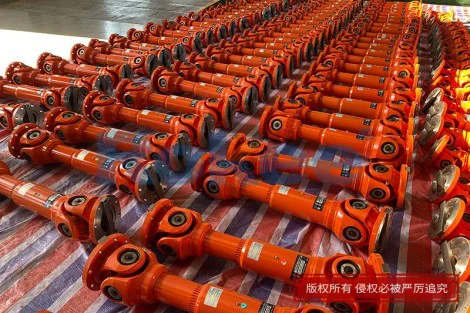
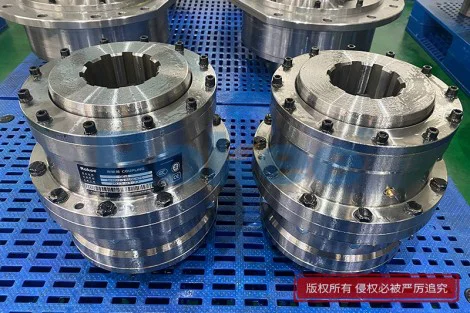
Universal Drive Shafts Manufacturer
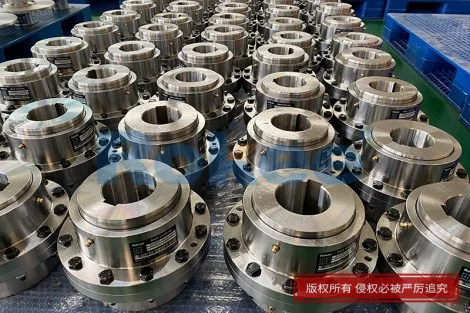
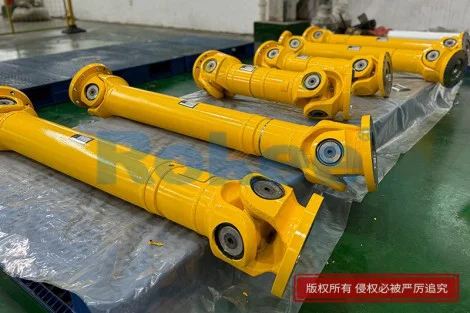
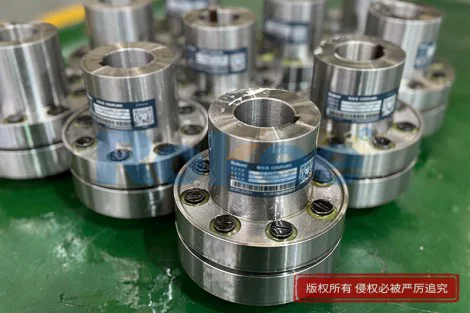
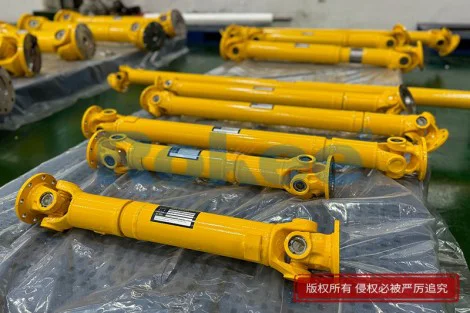
Universal drive shafts stand as indispensable core components in modern mechanical power transmission systems, serving as flexible connecting assemblies that enable stable torque and rotational motion transfer between misaligned shafts. As professional manufacturers in this field, we focus on the research, development, precision production, and customized optimization of universal drive shafts, catering to the diverse operational demands of industrial equipment, automotive systems, agricultural machinery, and engineering machinery. Unlike rigid transmission parts that require precise shaft alignment, these drive shafts can effectively compensate for angular deviation, axial displacement, and slight radial offset generated during mechanical operation, solving the core pain point of unstable power transmission caused by dynamic positional changes of equipment components. With years of manufacturing experience, we integrate advanced processing technologies, rigorous quality control mechanisms, and application-oriented design concepts to produce durable, high-efficiency, and low-friction universal drive shafts. Each product is engineered to adapt to complex working conditions including heavy loads, frequent start-stop operations, and fluctuating operating angles, ensuring long-term stable performance of mechanical transmission systems and reducing equipment failure rates and maintenance costs for end users across various industries.
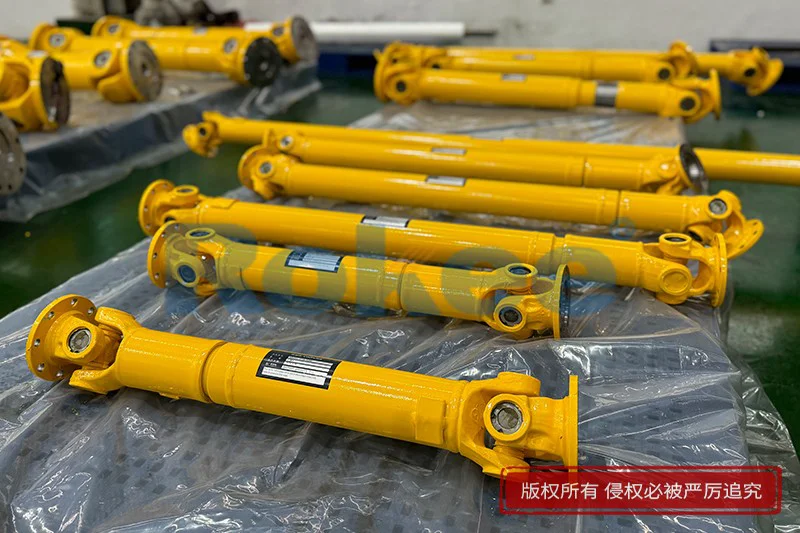
The core value of professional universal drive shaft manufacturing lies in the scientific and precise structural design that adapts to diverse mechanical operation scenarios. A complete universal drive shaft assembly consists of multiple precision-machined core parts, including input and output shafts, universal joint frames, cross shaft assemblies, and wear-resistant bearing components, each undertaking independent and coordinated transmission functions. The cross shaft, as the key functional unit, acts as the flexible connection core, enabling continuous and smooth power output even when the connected two shafts form a certain operating angle. Manufacturers focus on optimizing the structural matching degree of each component to balance transmission efficiency and structural flexibility, avoiding torque loss and mechanical jitter caused by unreasonable structural design. In the design process, professional teams fully consider the dynamic operating characteristics of different equipment, adjusting the structural parameters of universal joints and transmission shafts to adapt to low-speed high-torque, high-speed stable rotation, and frequent angle change working modes. This targeted structural optimization ensures that each customized universal drive shaft can maintain consistent transmission performance under specific working conditions, eliminating the defects of universal generic products that cannot adapt to complex and changeable mechanical operation environments.
Material selection is the fundamental guarantee for the service life and operational stability of universal drive shafts, and it is also a key link that distinguishes high-quality manufacturing from ordinary production. Professional manufacturers adhere to strict material screening standards, selecting high-strength alloy materials with excellent wear resistance, fatigue resistance, and impact resistance as the base materials for core components such as cross shafts and transmission pipes. These premium materials can withstand long-term heavy-load operation, frequent mechanical friction, and instantaneous impact loads generated during equipment start and stop, effectively delaying component aging and wear. For bearing and movable connection parts, manufacturers adopt specialized wear-resistant and self-lubricating materials to reduce internal friction coefficient during operation, lower energy consumption, and avoid abnormal noise and transmission lag caused by dry friction. In addition, targeted material treatment processes are applied for different application environments. Products used in harsh working conditions with dust, moisture, or variable temperatures will undergo specialized surface treatment technologies to enhance corrosion resistance and oxidation resistance. Strict material inspection is implemented before formal processing, eliminating unqualified raw materials from the source and laying a solid foundation for the overall quality and long-term reliability of finished universal drive shafts.
Precision processing technology is the core support for manufacturing high-performance universal drive shafts, determining the assembly accuracy, transmission efficiency, and operational stability of products. Professional manufacturers are equipped with a complete set of advanced precision processing equipment, including CNC lathes, milling machines, grinding machines, and automated finishing equipment, realizing integrated precision processing of all components from rough machining to fine finishing. Each processing link adopts standardized precision control procedures to ensure that the dimensional tolerance and surface finish of key components such as cross shafts and joint yokes reach high precision levels. High-precision processing can effectively reduce the assembly gap between matching parts, avoid mechanical vibration and torque loss caused by excessive gaps during high-speed operation, and ensure synchronous and stable power transmission. Meanwhile, manufacturers continuously optimize processing techniques according to product application feedback, improving the processing accuracy of vulnerable parts and optimizing the structural fit of movable parts. The standardized and refined processing system not only improves the consistency and interchangeability of batch products but also enables customized processing for special-sized and special-performance drive shafts, meeting the personalized equipment matching needs of different industrial fields.
Strict quality inspection and testing systems are essential links in the production of universal drive shafts, ensuring that every finished product can adapt to harsh and diverse working conditions. Professional manufacturers build a full-process quality control system covering raw material incoming inspection, semi-finished product processing inspection, and finished product performance testing. During the production process, each component will undergo dimensional accuracy detection, surface defect inspection, and hardness testing to eliminate products with processing errors and quality defects. After the assembly of finished products, multiple professional performance tests will be carried out, including torque transmission test, angle adaptability test, high-speed operation stability test, and fatigue life cycle test. These tests simulate various actual working conditions such as long-term continuous operation, frequent angle adjustment, and heavy-load operation to verify the transmission efficiency, structural stability, and durability of the drive shafts. Unqualified products will be reworked or eliminated in a timely manner to ensure that all delivered products have stable performance and reliable quality. The rigorous quality control mechanism helps manufacturers maintain stable product quality, reduce product failure rates in actual use, and provide reliable quality assurance for end users' mechanical equipment operation.
Universal drive shafts manufactured by professional factories boast extremely wide application coverage, covering multiple core industries and mechanical equipment scenarios. In the industrial manufacturing field, they are widely applied in automated production lines, conveyor equipment, packaging machinery, metal processing machine tools, and textile printing and dyeing equipment, solving the problem of power transmission between misaligned power components in automated production and ensuring continuous and efficient operation of production equipment. In the agricultural machinery industry, these drive shafts serve tractors, harvesters, rotary tillers, and other field operation equipment, adapting to the bumpy and complex farmland operation environment and the frequent angle changes of mechanical arms and walking systems. In engineering and mining machinery, they support the stable operation of tunnel construction equipment, mining transportation machinery, and road construction equipment, withstanding high-intensity and high-load working conditions. In addition, they are also commonly used in special equipment such as transportation machinery and environmental protection treatment equipment, fully demonstrating strong scene adaptability and product versatility.
Customized production capability is a core competitive advantage of professional universal drive shaft manufacturers, which can accurately respond to the differentiated and personalized needs of different customers and different equipment scenarios. Different mechanical equipment has distinct requirements for drive shaft parameters such as transmission torque, operating angle range, shaft body length, and structural form due to different operating principles and working environments. Professional manufacturers have a professional technical customization team that can conduct one-to-one scheme design according to customers' equipment parameters, working condition characteristics, and performance requirements. From adjusting the structural size of universal joints and optimizing the material proportion of shaft bodies to designing special connection methods and improving wear-resistant and anti-corrosion performance, all-round personalized customization services can be realized. Meanwhile, the mature production system can quickly convert customized design schemes into finished products, ensuring both customization accuracy and production efficiency. This flexible customized production mode breaks through the limitations of standardized generic products, enables drive shafts to achieve higher matching degree with customer equipment, maximizes mechanical transmission efficiency, and reduces equipment operation and maintenance costs.
Continuous technological innovation and service optimization drive the long-term development of universal drive shaft manufacturing, helping the industry continuously upgrade product performance and application value. Professional manufacturers always take market demand and equipment iteration trends as the guidance, investing in technical research and development to optimize product structure, processing technology, and material application. By introducing advanced mechanical design concepts and intelligent processing technologies, manufacturers continuously improve the transmission efficiency, fatigue resistance, and environmental adaptability of universal drive shafts, developing products suitable for emerging intelligent equipment and high-precision mechanical systems. In terms of service, manufacturers build a full-cycle service system including pre-sales technical consultation, in-sales scheme customization, and after-sales technical support, providing customers with professional equipment matching suggestions and operation guidance. Long-term technical accumulation and service optimization enable manufacturers to not only provide high-quality universal drive shaft products but also solve various power transmission problems for customers, establishing stable and trustworthy cooperative relationships and promoting the continuous progress of the entire mechanical transmission component manufacturing industry.
Tags: Universal Drive Shafts , sandwich panel machine , pu sandwich panel line
« Universal Drive Shafts Manufacturer » Update Date: 2026/8/5
URL: https://www.rokee.com/en/blog/universal-drive-shafts-manufacturer.html
Contact
If you require custom machined couplings, please contact Rokee via the contact information below for inquiries.
Email: Rokee@Rokee.com
 WeChat