Working Principle of Couplings
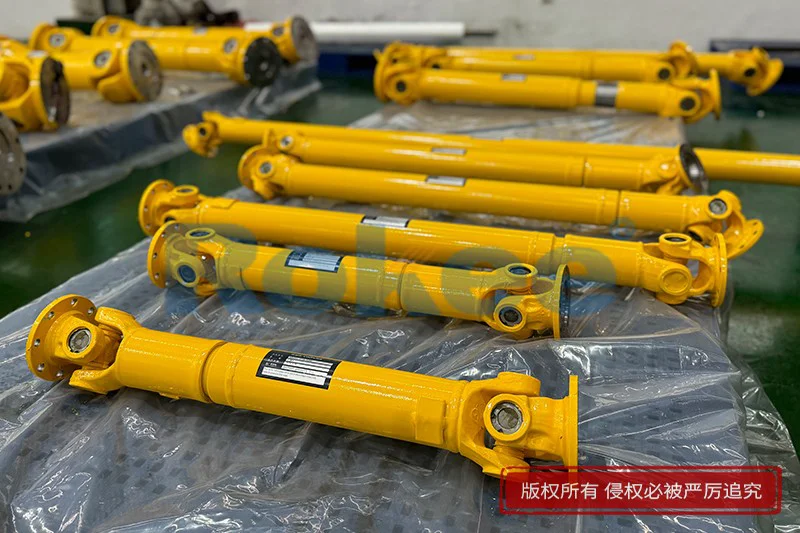
Couplings serve as essential mechanical components designed to connect two rotating shafts within mechanical systems, enabling the efficient transmission of torque and rotational motion between driving and driven equipment. Their core working principle lies in bridging shaft gaps while compensating for minor axial, radial and angular misalignments that inevitably occur during equipment operation, installation or long-term use. Beyond power transmission, couplings effectively buffer mechanical vibration and absorb impact loads generated during startup, operation and shutdown processes, avoiding excessive stress concentration on shafts, bearings and other precision parts. This buffering and compensation function greatly reduces mechanical wear, lowers operation noise and prevents structural damage caused by misalignment. By maintaining stable power transmission and mitigating mechanical fatigue, couplings significantly extend the overall service life of mechanical equipment and ensure the continuous, safe and efficient operation of various transmission systems in industrial machinery.
Working Principle of Drum Couplings
2026-08-18Drum couplings are a type of rigid-flexible transmission component widely applied in mechanical power systems, primarily designed to connect rotating shafts and achieve stable torque transmission while adapting to various shaft misalignment conditions during equipment operation. U…Teeth Couplings Working Principle
2026-08-13Teeth couplings, also known as gear couplings, are high-efficiency mechanical transmission components widely adopted in industrial power transmission systems to connect rotating shafts and transfer torque and rotational motion steadily. Differing from flexible couplings that rely …Working Principle of Tyre Couplings
2026-08-13Tyre couplings are widely adopted flexible elastic transmission components in modern mechanical transmission systems, dedicated to connecting driving and driven shafts to achieve continuous and stable torque and power transmission. Distinct from rigid couplings that rely on rigid …Diaphragm Coupling Working Principle
2026-08-05Diaphragm couplings are high-performance metallic flexible transmission components widely applied in precision mechanical transmission systems, designed to connect two rotating shafts and achieve stable torque transmission while compensating for various shaft misalignments. Unlike…Working Principle of Barrel Gear Coupling
2026-07-17Barrel gear couplings stand as one of the most reliable and widely adopted mechanical transmission components in modern industrial machinery, renowned for their exceptional comprehensive performance in torque transmission, misalignment compensation and operational stability. Unlik…Tooth Couplings Working Principle
2026-07-15In the vast landscape of mechanical power transmission systems, tooth couplings stand out as a highly reliable and versatile component, engineered to bridge two rotating shafts, transfer torque efficiently, and accommodate unavoidable misalignments that arise during operational us…Working Principle of Flexible Membrane Coupling
2026-07-15In the field of mechanical power transmission, flexible membrane couplings stand as a critical component that bridges driving shafts and driven shafts, addressing the inherent challenges of shaft misalignment, torque transmission, and operational stability across diverse industria…Working Principle of Bush Pin Type Flexible Coupling
2026-07-15In the field of mechanical power transmission, flexible couplings serve as critical intermediate components that bridge driving and driven shafts, addressing the inherent challenges of shaft misalignment, vibration transmission, and torque delivery in diverse industrial machinery.…Rubber Tire Couplings Working Principle
2024-07-25Cross Cardan Shafts Working Principle
2024-06-19Flexible Plate Couplings Working Principle
2024-06-07Metallic Disc Couplings Working Principle
2024-06-07Universal Shaft Joints Working Principle
2024-06-07Tyre Type Couplings Working Principle
2024-06-04Universal Joints Working Principle
2024-06-04Universal Drive Shafts Working Principle
2024-05-27Flange Universal Joint Couplings Working Principle
2024-05-20Universal Coupling Shafts Working Principle
2024-05-16Tire Shaft Couplings Working Principle
2024-05-13Tooth Gear Couplings Working Principle
2024-05-08Half Gear Coupling Working Principle
2024-05-08Universal Coupling Joints Working Principle
2024-05-07Stainless Steel Jaw Couplings Working Principle
2024-05-07Shim Couplings Working Principle
2024-05-07Universal Shafts Working Principle
2024-05-05Telescopic Universal Joints Working Principle
2024-03-25Rubber Tyre Couplings Working Principle
2024-03-21Industrial Cardan Shafts Working Principle
2024-03-19Universal Shaft Couplings Working Principle
2024-03-04Plum Blossom Couplings Working Principle
2024-03-02Plate Couplings Working Principle
2024-02-29Working Principle of Flexible Gear Coupling
2024-02-20Industrial Gear Coupling Working Principle
2024-02-18Universal Couplings Working Principle
2024-02-17Bush Coupling Working Principle
2024-01-29Full Flex Gear Coupling Working Principle
2024-01-29Toothed Coupling Working Principle
2024-01-23Jaw Type Coupling Working Principle
2024-01-23Multi Jaw Couplings Working Principle
2024-01-22Cardan Joint Drive Shaft Working Principle
2024-01-19Pin Bush Type Flexible Coupling Working Principle
2024-01-13Face Gear Coupling Working Principle
2024-01-13Working Principle of Flexible Pin Coupling
2024-01-12Working Principle of Spline Gear Coupling
2024-01-12Universal Joint Shaft Coupling Working Principle
2024-01-11Gear Type Coupling Working Principle
2024-01-11Working Principle of Flexible Pin Bush Coupling
2024-01-11Flexible Jaw Shaft Coupling Working Principle
2024-01-10Working Principle of Universal Joint Shaft Coupler
2024-01-10Universal Cross Joint Coupling Working Principle
2024-01-10Working Principle of Jaw Flexible Coupling
2024-01-10Working Principle of Jaw Type Flexible Coupling
2024-01-10Working Principle of Gear Shaft Coupling
2024-01-09Claw Type Flexible Coupling Working Principle
2024-01-09Steel Laminated Flexible Coupling Working Principle
2024-01-09Cardan Shaft Working Principle
2024-01-09Working Principle of Full Gear Coupling
2024-01-08Flexible Claw Coupling Working Principle
2024-01-08Working Principle of Cardan Driveshaft
2024-01-08Working Principle of Flexible Laminated Membrane Coupling
2024-01-06Working Principle of Pin Coupling
2024-01-06Shim Pack Coupling Working Principle
2024-01-05Universal Joint Shaft Working Principle
2024-01-04Curved Tooth Coupling Working Principle
2024-01-04Steel Plate Flexible Coupling Working Principle
2024-01-03Working Principle of Disc Membrane Coupling
2024-01-03Flexible Plum Blossom Coupling Working Principle
2024-01-02Flexible Tyre Coupling Working Principle
2024-01-02Working Principle of Curved Jaw Coupling
2024-01-02Working Principle of Gear Tooth Coupling
2023-12-29Crown Pin Coupling Working Principle
2023-12-29Cardan Shaft Coupling Working Principle
2023-12-29Flexible Diaphragm Coupling Working Principle
2023-12-29Working Principle of Curved Tooth Gear Couplings
2023-12-29Crown Gear Coupling Working Principle
2023-12-26Working Principle of Cardan Coupling
2023-12-26Crowned Tooth Gear Coupling Working Principle
2023-12-24Pin Type Flexible Coupling Working Principle
2023-12-24Working Principle of Jaw Flex Coupling
2023-12-24Claw Coupling Working Principle
2023-12-24Plum Coupling Working Principle
2023-12-24Tire Coupling Working Principle
2023-12-23Jaw Coupling Working Principle
2023-12-23Barrel Coupling Working Principle
2023-12-12