Stiffness of Couplings
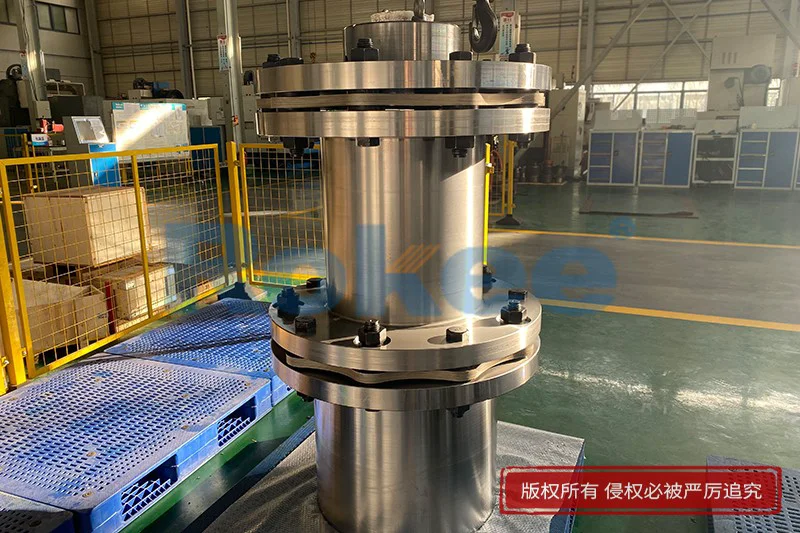
Coupling stiffness, primarily defined as torsional stiffness, refers to a coupling’s inherent ability to resist twisting deformation when transmitting torque between rotating shafts, serving as a core parameter that determines the overall performance of mechanical transmission systems. High-stiffness couplings deliver nearly distortion-free torque transfer with minimal torsional wind-up and zero backlash, ensuring synchronous shaft rotation and exceptional positioning accuracy, which makes them well-suited for high-precision scenarios such as automated motion control, robotic operation and precision machining equipment. In contrast, couplings with moderate or low stiffness feature controlled flexibility, effectively absorbing mechanical vibration, mitigating impact loads and compensating for minor shaft misalignment during operation. This flexible property protects adjacent mechanical components from fatigue damage and operational wear. Selecting appropriate coupling stiffness requires a balance between precision requirements and system stability. Excessively high stiffness may compromise misalignment tolerance and amplify vibration stress, while insufficient stiffness will cause motion lag and positioning errors, undermining the efficiency and accuracy of the entire transmission system.
Stiffness of Cardan Coupling
2026-08-13Cardan coupling stiffness serves as a core mechanical property that dictates the operational stability, transmission accuracy and service performance of universal joint transmission systems in mechanical equipment. Primarily defined as the structural resistance of the cardan coupl…Metallic Disc Couplings Stiffness
2024-09-14Universal Shaft Joints Stiffness
2024-08-23Flexible Plate Couplings Stiffness
2024-08-23Universal Joints Stiffness
2024-08-17Rubber Tire Couplings Stiffness
2024-08-07Cross Cardan Shafts Stiffness
2024-07-18Tyre Type Couplings Stiffness
2024-07-10Universal Drive Shafts Stiffness
2024-06-04Flange Universal Joint Couplings Stiffness
2024-05-20Universal Coupling Shafts Stiffness
2024-05-16Tire Shaft Couplings Stiffness
2024-05-13Teeth Couplings Stiffness
2024-05-10Half Gear Coupling Stiffness
2024-05-08Universal Coupling Joints Stiffness
2024-05-07Stainless Steel Jaw Couplings Stiffness
2024-05-07Rubber Tyre Couplings Stiffness
2024-05-05Stiffness of Universal Joint Shaft Coupler
2024-05-05Universal Shafts Stiffness
2024-05-05Telescopic Universal Joints Stiffness
2024-04-26Stiffness of Tyre Couplings
2024-04-24Industrial Cardan Shafts Stiffness
2024-04-07Shim Couplings Stiffness
2024-04-01Plate Couplings Stiffness
2024-04-01Cardan Joint Drive Shaft Stiffness
2024-03-21Tooth Gear Couplings Stiffness
2024-03-19Universal Shaft Couplings Stiffness
2024-03-11Plum Blossom Couplings Stiffness
2024-03-08Tooth Couplings Stiffness
2024-03-02Bush Coupling Stiffness
2024-02-21Stiffness of Flexible Gear Coupling
2024-02-20Industrial Gear Coupling Stiffness
2024-02-18Full Flex Gear Coupling Stiffness
2024-02-17Universal Couplings Stiffness
2024-02-17Toothed Coupling Stiffness
2024-02-04Jaw Type Coupling Stiffness
2024-01-23Multi Jaw Couplings Stiffness
2024-01-20Stiffness of Full Gear Coupling
2024-01-15Pin Bush Type Flexible Coupling Stiffness
2024-01-13Face Gear Coupling Stiffness
2024-01-13Stiffness of Flexible Pin Coupling
2024-01-12Stiffness of Spline Gear Coupling
2024-01-12Universal Joint Shaft Coupling Stiffness
2024-01-11Universal Cross Joint Coupling Stiffness
2024-01-11Stiffness of Flexible Pin Bush Coupling
2024-01-11Flexible Jaw Shaft Coupling Stiffness
2024-01-10Gear Type Coupling Stiffness
2024-01-10Stiffness of Jaw Flexible Coupling
2024-01-10Stiffness of Jaw Type Flexible Coupling
2024-01-10Stiffness of Drum Coupling
2024-01-10Stiffness of Barrel Gear Coupling
2024-01-09Stiffness of Gear Shaft Coupling
2024-01-09Stiffness of Bush Pin Type Flexible Coupling
2024-01-09Claw Type Flexible Coupling Stiffness
2024-01-09Steel Laminated Flexible Coupling Stiffness
2024-01-09Stiffness of Flexible Membrane Coupling
2024-01-09Stiffness of Cardan Driveshaft
2024-01-08Stiffness of Flexible Laminated Membrane Coupling
2024-01-06Stiffness of Pin Coupling
2024-01-06Steel Plate Flexible Coupling Stiffness
2024-01-06Shim Pack Coupling Stiffness
2024-01-05Stiffness of Universal Joint Shaft
2024-01-04Stiffness of Curved Tooth Coupling
2024-01-04Flexible Claw Coupling Stiffness
2024-01-03Stiffness of Disc Membrane Coupling
2024-01-03Flexible Plum Blossom Coupling Stiffness
2024-01-02Flexible Tyre Coupling Stiffness
2024-01-02Stiffness of Curved Jaw Coupling
2024-01-02Stiffness of Gear Tooth Coupling
2023-12-29Crown Pin Coupling Stiffness
2023-12-29Stiffness of Crown Gear Coupling
2023-12-29Cardan Shaft Coupling Stiffness
2023-12-29Flexible Diaphragm Coupling Stiffness
2023-12-29Stiffness of Curved Tooth Gear Coupling
2023-12-29Cardan Shaft Stiffness
2023-12-26Pin Type Flexible Coupling Stiffness
2023-12-26Crowned Tooth Gear Coupling Stiffness
2023-12-24Stiffness of Jaw Flex Coupling
2023-12-24Plum Coupling Stiffness
2023-12-24Tire Coupling Stiffness
2023-12-23Jaw Coupling Stiffness
2023-12-23Stiffness of Claw Coupling
2023-12-22Barrel Coupling Stiffness
2023-12-12