Models of Couplings
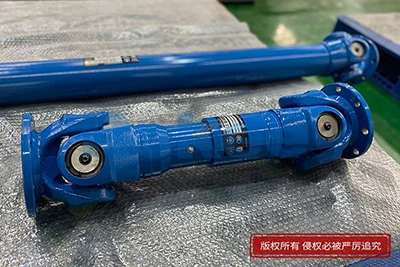
Coupling models serve as fundamental theoretical and practical frameworks for analyzing power transmission and motion coordination between mechanical components, laying a solid foundation for reliable mechanical system operation. These models primarily focus on simulating the connection state, torque transmission efficiency, and displacement compensation characteristics between rotating shafts, covering diverse structural designs adapted to different operating scenarios. Some basic coupling models feature rigid connection structures to ensure precise and synchronous power transmission with zero motion deviation, ideal for stable and low-vibration working environments. In contrast, flexible coupling models incorporate elastic buffer structures to offset axial, radial and angular displacements generated during equipment operation, effectively reducing mechanical vibration and wear. All coupling models are optimized to balance transmission stability, structural durability and environmental adaptability, helping mitigate mechanical friction, avoid energy loss, and extend the overall service life of mechanical transmission systems in various industrial operation scenarios.
Models of Metallic Disc Couplings
2025-12-01Cardan Joint Drive Shaft Models
2024-04-24Tyre Couplings Models
2024-02-01Toothed Coupling Models
2024-01-29Full Flex Gear Coupling Models
2024-01-23Bush Pin Type Flexible Coupling Models
2024-01-20Industrial Gear Coupling Models
2024-01-17Flexible Gear Coupling Models
2024-01-15Full Gear Coupling Models
2024-01-15Face Gear Coupling Models
2024-01-13Flexible Pin Coupling Models
2024-01-12Spline Gear Coupling Models
2024-01-12Universal Joint Shaft Coupling Models
2024-01-11Universal Cross Joint Coupling Models
2024-01-11Gear Type Coupling Models
2024-01-11Flexible Pin Bush Coupling Models
2024-01-11Flexible Jaw Shaft Coupling Models
2024-01-10Universal Joint Shaft Coupler Models
2024-01-10Gear Shaft Coupling Models
2024-01-09Steel Laminated Flexible Coupling Models
2024-01-09Cardan Shaft Models
2024-01-09Flexible Membrane Coupling Models
2024-01-09Jaw Flexible Coupling Models
2024-01-08Jaw Type Flexible Coupling Models
2024-01-08Drum Coupling Models
2024-01-08Pin Coupling Models
2024-01-08Claw Type Flexible Coupling Models
2024-01-06Flexible Laminated Membrane Coupling Models
2024-01-06Cardan Driveshaft Models
2024-01-06Steel Plate Flexible Coupling Models
2024-01-06Shim Pack Coupling Models
2024-01-05Models of Flexible Claw Couplings
2024-01-03Models of Bush Couplings
2024-01-03Models of Barrel Gear Couplings
2024-01-03Disc Membrane Coupling Models
2024-01-023D Models of Disc Membrane Couplings
2024-01-02Flexible Plum Blossom Coupling Models
2024-01-023D Models of Flexible Plum Blossom Couplings
2024-01-02Models of Flexible Tyre Couplings
2024-01-023D Models of Gear Tooth Couplings
2023-12-29Gear Tooth Coupling Models
2023-12-29Crown Pin Coupling Models
2023-12-293D Models of Cardan Couplings
2023-12-29Models of Curved Jaw Couplings
2023-12-29Models of Crown Gear Couplings
2023-12-29Flexible Diaphragm Coupling Models
2023-12-27Cardan Shaft Coupling Models
2023-12-26Crowned Tooth Gear Coupling Models
2023-12-25Models of Curved Tooth Gear Coupling
2023-12-25Models of Cardan Couplings
2023-12-25Jaw Flex Coupling Models
2023-12-25Models of Claw Couplings
2023-12-25Pin Type Flexible Coupling Models
2023-12-243D Models of Jaw Flex Coupling
2023-12-24Models of Plum Couplings
2023-12-24Barrel Coupling Models
2023-12-23Tire Coupling Models
2023-12-22Jaw Coupling Models
2023-12-13