Maintenance of Couplings
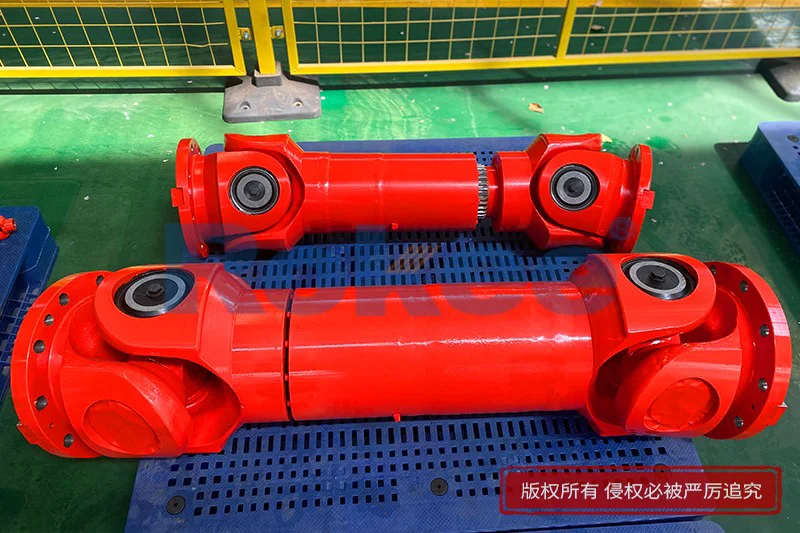
Couplings serve as vital connecting components in mechanical transmission systems, responsible for linking rotating shafts and transmitting torque while buffering vibration and compensating for shaft misalignment, so regular and scientific maintenance is essential to sustain stable mechanical operation and extend equipment service life. Daily maintenance mainly includes regular visual inspections to check for signs of wear, corrosion, deformation or loose fasteners on coupling components, as these minor defects can gradually escalate into severe transmission failures if neglected. It is also necessary to keep the coupling surface clean and free of dust, oil stains and foreign debris that may affect its fitting and operation. Periodic lubrication is another key step, as appropriate lubrication reduces friction between moving parts and avoids abnormal wear and overheating. Additionally, operators should regularly verify the alignment of connected shafts to eliminate excessive offset and angle deviation. Adhering to standardized maintenance routines effectively minimizes equipment breakdown risks, reduces unnecessary operational losses, and ensures consistent and efficient performance of mechanical systems in long-term industrial operation.
Gear Coupling Maintenance
2025-03-24Universal Joints Maintenance
2024-09-14Rubber Tire Couplings Maintenance
2024-08-23Flange Universal Joint Couplings Maintenance
2024-08-17Cross Cardan Shafts Maintenance
2024-07-10Metallic Disc Couplings Maintenance
2024-06-12Flexible Plate Couplings Maintenance
2024-06-12Universal Coupling Joints Maintenance
2024-05-28Tire Shaft Couplings Maintenance
2024-05-27Universal Shaft Joints Maintenance
2024-05-27Universal Coupling Shafts Maintenance
2024-05-22Universal Drive Shafts Maintenance
2024-05-16Telescopic Universal Joints Maintenance
2024-05-10Universal Shafts Maintenance
2024-05-10Half Gear Coupling Maintenance
2024-05-08Stainless Steel Jaw Couplings Maintenance
2024-05-07Plate Couplings Maintenance
2024-05-07Rubber Tyre Couplings Maintenance
2024-05-05Maintenance of Universal Joint Shaft Coupler
2024-05-05Shim Couplings Maintenance
2024-04-26Cardan Joint Drive Shaft Maintenance
2024-04-24Tooth Couplings Maintenance
2024-04-02Plum Blossom Couplings Maintenance
2024-04-01Industrial Cardan Shafts Maintenance
2024-03-25Teeth Couplings Maintenance
2024-03-19Tyre Type Couplings Maintenance
2024-03-19Tooth Gear Couplings Maintenance
2024-03-19Universal Shaft Couplings Maintenance
2024-03-04Bush Coupling Maintenance
2024-02-21Maintenance of Flexible Gear Couplings
2024-02-20Universal Couplings Maintenance
2024-02-04Multi Jaw Couplings Maintenance
2024-02-01Toothed Coupling Maintenance
2024-01-29Full Flex Gear Coupling Maintenance
2024-01-23Industrial Gear Couplings Maintenance
2024-01-22Maintenance of Tyre Couplings
2024-01-20Jaw Type Coupling Maintenance
2024-01-20Maintenance of Bush Pin Type Flexible Couplings
2024-01-20Pin Bush Type Flexible Coupling Maintenance
2024-01-18Face Gear Couplings Maintenance
2024-01-13Maintenance of Flexible Pin Coupling
2024-01-12Maintenance of Spline Gear Couplings
2024-01-12Universal Joint Shaft Coupling Maintenance
2024-01-11Universal Cross Joint Couplings Maintenance
2024-01-11Gear Type Couplings Maintenance
2024-01-11Maintenance of Flexible Pin Bush Couplings
2024-01-11Flexible Jaw Shaft Couplings Maintenance
2024-01-10Maintenance of Jaw Flexible Coupling
2024-01-10Maintenance of Jaw Type Flexible Couplings
2024-01-10Maintenance of Drum Coupling
2024-01-10Maintenance of Barrel Gear Couplings
2024-01-09Maintenance of Gear Shaft Couplings
2024-01-09Maintenance of Steel Laminated Flexible Couplings
2024-01-09Cardan Shaft Maintenance
2024-01-09Maintenance of Flexible Membrane Coupling
2024-01-09Maintenance of Full Gear Coupling
2024-01-08Maintenance of Flexible Claw Couplings
2024-01-08Maintenance of Cardan Driveshaft
2024-01-08Steel Plate Flexible Coupling Maintenance
2024-01-08Maintenance of Pin Coupling
2024-01-08Claw Type Flexible Coupling Maintenance
2024-01-06Maintenance of Flexible Laminated Membrane Coupling
2024-01-06Maintenance of Shim Pack Couplings
2024-01-05Maintenance of Universal Joint Shafts
2024-01-04Maintenance of Curved Tooth Couplings
2024-01-04Maintenance of Disc Membrane Couplings
2024-01-02Maintenance of Flexible Plum Blossom Coupling
2024-01-02Flexible Tyre Coupling Maintenance
2024-01-02Curved Jaw Coupling Maintenance
2024-01-02Gear Tooth Coupling Maintenance
2023-12-29Cardan Coupling Maintenance
2023-12-29Maintenance of Crown Gear Coupling
2023-12-29Flexible Diaphragm Coupling Maintenance
2023-12-26Cardan Shaft Coupling Maintenance
2023-12-26Crown Pin Coupling Maintenance
2023-12-26Jaw Flex Coupling Maintenance
2023-12-25Pin Type Flexible Coupling Maintenance
2023-12-24Claw Coupling Maintenance
2023-12-24Plum Coupling Maintenance
2023-12-24Jaw Coupling Maintenance
2023-12-23Crowned Tooth Gear Coupling Maintenance
2023-12-22Curved Tooth Gear Coupling Maintenance
2023-12-13Tire Coupling Maintenance
2023-12-13Barrel Coupling Maintenance
2023-12-13