Advantages and Disadvantages of Couplings
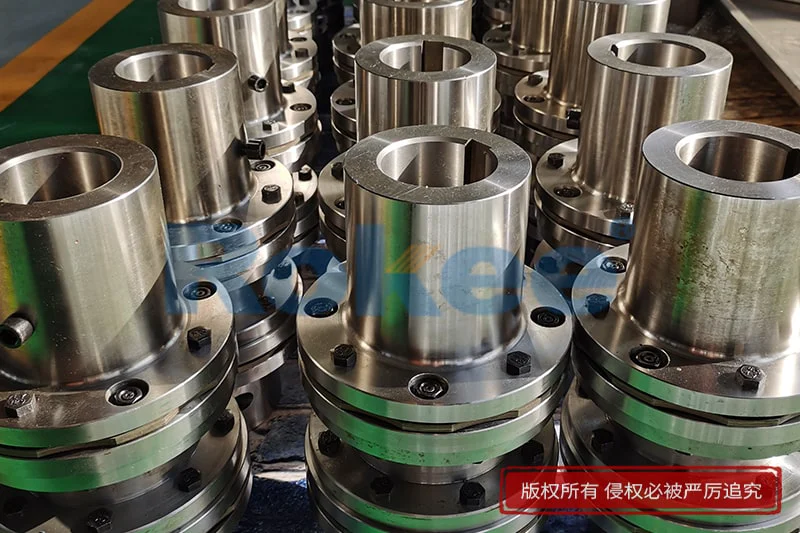
Couplings are essential mechanical components widely applied in mechanical transmission systems, serving to connect two shafts and transmit rotational power while bringing distinct practical benefits and unavoidable drawbacks. On the positive side, they effectively compensate for axial, radial and angular misalignments between connected shafts caused by installation errors or operational vibration, reducing mechanical friction and wear of core equipment. They also buffer vibration and impact loads during operation, stabilize the overall transmission system, and protect precision mechanical parts from damage, greatly extending the service life of mechanical devices. Additionally, couplings simplify equipment assembly and maintenance by allowing convenient shaft connection and disconnection. Nevertheless, they have inherent limitations. Most coupling structures introduce minor power loss during torque transmission, lowering overall mechanical efficiency. Long-term continuous operation will cause natural aging and wear of coupling materials, leading to loose connection, increased operational noise and even transmission failure if not inspected and replaced timely. Some flexible couplings also require regular lubrication and maintenance, raising routine operation costs.
Jaw Coupling Advantages And Disadvantages
2026-08-13Jaw couplings are one of the most widely adopted flexible transmission components in general industrial mechanical systems, featuring a simple and compact structural composition that consists of two symmetrical jaw-shaped metal hubs and a central elastomeric spider insert. As a ma…Rubber Tire Coupling Disadvantages
2024-09-14Tyre Type Coupling Disadvantages
2024-09-06Cross Cardan Shaft Disadvantages
2024-07-01Universal Joint Advantages
2024-07-01Metallic Disc Coupling Disadvantages
2024-06-19Metallic Disc Coupling Advantages
2024-06-19Flexible Plate Coupling Disadvantages
2024-06-19Flexible Plate Coupling Advantages
2024-06-07Rubber Tire Coupling Advantages
2024-06-07Cross Cardan Shaft Advantages
2024-06-04Tyre Type Coupling Advantages
2024-06-04Universal Joint Disadvantages
2024-06-04Universal Shaft Joint Disadvantages
2024-05-29Universal Shaft Joint Advantages
2024-05-29Teeth Coupling Disadvantages
2024-05-28Teeth Coupling Advantages
2024-05-28Universal Coupling Joint Advantages
2024-05-16Universal Coupling Shaft Disadvantages
2024-05-13Universal Coupling Shaft Advantages
2024-05-13Telescopic Universal Joint Disadvantages
2024-05-11Telescopic Universal Joint Advantages
2024-05-11Universal Shaft Advantages
2024-05-11Universal Shaft Disadvantages
2024-05-11Flange Universal Joint Coupling Disadvantages
2024-05-10Flange Universal Joint Coupling Advantages
2024-05-10Stainless Steel Jaw Coupling Disadvantages
2024-05-08Stainless Steel Jaw Coupling Advantages
2024-05-08Universal Drive Shaft Disadvantages
2024-05-07Universal Drive Shaft Advantages
2024-05-07Half Gear Coupling Disadvantages
2024-05-05Half Gear Coupling Advantages
2024-05-05Universal Joint Shaft Coupler Advantages
2024-05-05Tire Shaft Coupling Disadvantages
2024-04-26Tire Shaft Coupling Advantages
2024-04-26Tooth Gear Coupling Disadvantages
2024-04-24Tooth Gear Coupling Advantages
2024-04-24Cardan Joint Drive Shaft Advantages
2024-04-24Tooth Coupling Advantages
2024-04-15Tooth Coupling Disadvantages
2024-04-15Shim Coupling Disadvantages
2024-04-15Industrial Cardan Shaft Disadvantages
2024-04-02Industrial Cardan Shaft Advantages
2024-04-02Universal Shaft Coupling Disadvantages
2024-03-19Universal Shaft Coupling Advantages
2024-03-19Shim Coupling Advantages
2024-03-11Tyre Coupling Advantages
2024-03-08Universal Coupling Joint Disadvantages
2024-03-04Plate Coupling Disadvantages
2024-03-02Plate Coupling Advantages
2024-03-02Rubber Tyre Coupling Advantages
2024-03-02Plum Blossom Coupling Disadvantages
2024-02-28Plum Blossom Coupling Advantages
2024-02-28Bush Coupling Advantages
2024-02-21Bush Coupling Disadvantages
2024-02-21Industrial Gear Coupling Disadvantages
2024-02-18Industrial Gear Coupling Advantages
2024-02-18Full Flex Gear Coupling Advantages
2024-02-17Full Flex Gear Coupling Disadvantages
2024-02-17Universal Coupling Advantages
2024-02-01Multi Jaw Coupling Disadvantages
2024-01-29Universal Coupling Disadvantages
2024-01-29Toothed Coupling Disadvantages
2024-01-29Toothed Coupling Advantages
2024-01-29Jaw Type Coupling Disadvantages
2024-01-22Jaw Type Coupling Advantages
2024-01-22Disadvantages of Tyre Coupling
2024-01-20Rubber Tyre Coupling Disadvantages
2024-01-20Multi Jaw Coupling Advantages
2024-01-20Bush Pin Type Flexible Coupling Advantages
2024-01-19Disadvantages of Flexible Gear Couplings
2024-01-19Pin Bush Type Flexible Coupling Disadvantages
2024-01-18Pin Bush Type Flexible Coupling Advantages
2024-01-18Cardan Joint Drive Shaft Disadvantages
2024-01-17Disadvantages of Bush Pin Type Flexible Coupling
2024-01-17Flexible Gear Coupling Advantages
2024-01-15Disadvantages of Full Gear Coupling
2024-01-15Full Gear Coupling Advantages
2024-01-15Face Gear Coupling Disadvantages
2024-01-13Face Gear Coupling Advantages
2024-01-13Flexible Pin Coupling Advantages
2024-01-12Disadvantages of Flexible Pin Coupling
2024-01-12Disadvantages of Spline Gear Coupling
2024-01-12Spline Gear Coupling Advantages
2024-01-12Universal Joint Shaft Coupling Advantages
2024-01-11Disadvantages of Universal Joint Shaft Couplings
2024-01-11Universal Cross Joint Coupling Disadvantages
2024-01-11Universal Cross Joint Coupling Advantages
2024-01-11Disadvantages of Gear Type Couplings
2024-01-11Flexible Pin Bush Coupling Advantages
2024-01-11Disadvantages of Flexible Pin Bush Coupling
2024-01-11Disadvantages of Universal Joint Shaft Coupler
2024-01-10Flexible Jaw Shaft Coupling Advantages
2024-01-10Gear Type Coupling Advantages
2024-01-10Disadvantages of Jaw Flexible Coupling
2024-01-10Disadvantages of Flexible Claw Coupling
2024-01-10Flexible Claw Coupling Advantages
2024-01-10Disadvantages of Jaw Type Flexible Couplings
2024-01-10Jaw Type Flexible Coupling Advantages
2024-01-10Disadvantages of Drum Coupling
2024-01-10Drum Coupling Advantages
2024-01-10Flexible Jaw Shaft Coupling Disadvantages
2024-01-09Disadvantages of Barrel Gear Coupling
2024-01-09Barrel Gear Coupling Advantages
2024-01-09Gear Shaft Coupling Advantages
2024-01-09Disadvantages of Gear Shaft Couplings
2024-01-09Disadvantages of Steel Laminated Flexible Coupling
2024-01-09Steel Laminated Flexible Coupling Advantages
2024-01-09Cardan Shaft Advantages
2024-01-09Cardan Shaft Disadvantages
2024-01-09Flexible Membrane Coupling Advantages
2024-01-09Disadvantages of Flexible Membrane Coupling
2024-01-09Jaw Flexible Coupling Advantages
2024-01-08Steel Plate Flexible Coupling Disadvantages
2024-01-08Steel Plate Flexible Coupling Advantages
2024-01-08Pin Coupling Advantages
2024-01-08Claw Type Flexible Coupling Disadvantages
2024-01-06Claw Type Flexible Coupling Advantages
2024-01-06Flexible Laminated Membrane Coupling Advantages
2024-01-06Disadvantages of Flexible Laminated Membrane Coupling
2024-01-06Disadvantages of Pin Coupling
2024-01-06Disadvantages of Cardan Driveshaft
2024-01-06Cardan Driveshaft Advantages
2024-01-06Shim Pack Coupling Advantages
2024-01-05Disadvantages of Shim Pack Couplings
2024-01-05Universal Joint Shaft Advantages
2024-01-04Disadvantages of Universal Joint Shafts
2024-01-04Disadvantages of Curved Tooth Coupling
2024-01-04Curved Tooth Coupling Advantages
2024-01-04Disc Membrane Coupling Advantages
2024-01-02Disadvantages of Disc Membrane Coupling
2024-01-02Flexible Plum Blossom Coupling Advantages
2024-01-02Disadvantages of Flexible Plum Blossom Coupling
2024-01-02Flexible Tyre Coupling Advantages
2024-01-02Disadvantages of Flexible Tyre Coupling
2024-01-02Disadvantages of Curved Jaw Coupling
2024-01-02Curved Jaw Coupling Advantages
2024-01-02Gear Tooth Coupling Advantages
2023-12-29Disadvantages of Gear Tooth Coupling
2023-12-29Advantages of Crown Pin Couplings
2023-12-29Cardan Coupling Disadvantages
2023-12-29Pin Type Flexible Coupling Advantages
2023-12-27Disadvantages of Crown Gear Coupling
2023-12-26Advantages of Crown Gear Coupling
2023-12-26Flexible Diaphragm Coupling Disadvantages
2023-12-26Crowned Tooth Gear Coupling Advantages
2023-12-26Crowned Tooth Gear Coupling Disadvantages
2023-12-26Crown Pin Coupling Disadvantages
2023-12-26Advantages of Cardan Couplings
2023-12-25Jaw Flex Coupling Disadvantages
2023-12-25Disadvantages of Claw Couplings
2023-12-25Pin Type Flexible Coupling Disadvantages
2023-12-24Disadvantages of Curved Tooth Gear Coupling
2023-12-24Advantages of Jaw Flex Coupling
2023-12-24Cardan Shaft Coupling Disadvantages
2023-12-24Plum Coupling Advantages
2023-12-24Disadvantages of Plum Coupling
2023-12-24Tire Coupling Advantages
2023-12-23Jaw Coupling Advantages
2023-12-23Barrel Coupling Disadvantages
2023-12-23Barrel Coupling Advantages
2023-12-23Cardan Shaft Coupling Advantages
2023-12-22Curved Tooth Gear Coupling Advantages
2023-12-13Tire Coupling Disadvantages
2023-12-13Jaw Coupling Disadvantages
2023-12-13Claw Coupling Advantages
2023-12-13Flexible Diaphragm Coupling Advantages
2023-12-12