High Torque Couplings
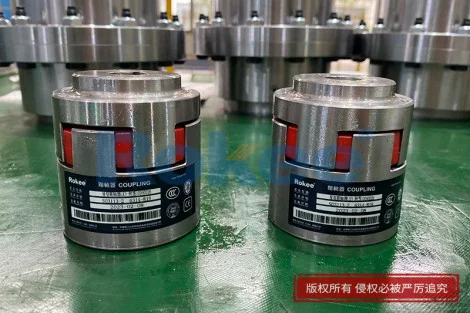
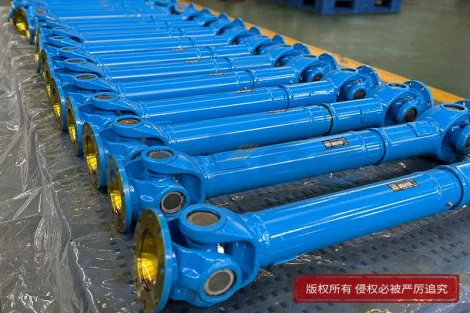
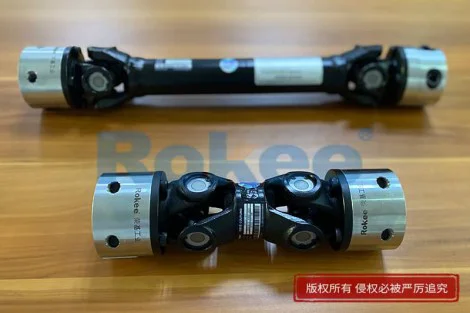
Rokee is a manufacturer of high torque couplings from china, we can provide non-standard custom high torque couplings based on parameters or drawings supplied by customers, with export support available.

High torque couplings are essential mechanical transmission components designed to transfer substantial rotational force between adjacent rotating shafts in heavy-duty mechanical systems. Unlike standard couplings that cater to light and medium load scenarios, these specialized components are engineered to withstand extreme torsional loads, continuous heavy operation, and harsh working conditions that would compromise the structural integrity of conventional coupling designs. They serve as critical connecting bridges in power transmission chains, not only ensuring stable and efficient torque delivery but also mitigating mechanical risks such as shaft misalignment, vibration impact, and sudden load fluctuations. Widely applied in heavy industrial machinery, power transmission equipment, and large mechanical drive systems, high torque couplings balance robust load-bearing capacity with adaptive operational flexibility. Their optimized structural design and durable material configuration enable long-term reliable operation, reducing mechanical failure rates and improving the overall operational stability and service life of complete mechanical systems.

The core functional logic of high torque couplings lies in their optimized structural mechanics and load distribution design, which fundamentally distinguishes them from ordinary transmission couplings. Standard couplings often adopt simple connection structures with limited contact areas, leading to concentrated stress during torque transmission and easy deformation or wear under heavy loads. In contrast, high torque couplings feature enlarged contact surfaces and uniform force distribution mechanisms, allowing torsional force to spread evenly across all load-bearing parts rather than focusing on individual connection points. This scientific force dispersion design effectively eliminates local stress overload, enabling the components to bear and transmit far greater rotational force without structural damage. Additionally, most high torque coupling structures integrate anti-backlash and anti-twist deformation designs, which prevent torque loss and transmission lag during high-load operation. Even in scenarios with frequent start-stop cycles and alternating loads, they can maintain consistent torque transmission efficiency, ensuring synchronous operation of driving and driven shafts. This reliable mechanical performance makes them irreplaceable in high-power mechanical transmission scenarios that require precise and stable power output.
Material selection is a decisive factor that determines the load-bearing performance, durability, and environmental adaptability of high torque couplings. To meet the stringent requirements of high-load torque transmission, these couplings are mostly manufactured from high-strength alloy materials with excellent mechanical properties, which boast superior tensile strength, torsional rigidity, and fatigue resistance compared to common carbon steel materials. Such materials can resist long-term repeated torsional impact and mechanical friction, avoiding plastic deformation, cracking, or aging failure under continuous high-torque operation. For coupling accessories such as elastic buffer parts and sealing components, high-performance polymer and composite materials are adopted to balance rigidity and flexibility. These auxiliary materials effectively absorb vibration and shock generated during operation while maintaining structural stability under high loads. Moreover, the surface of high torque couplings usually undergoes specialized strengthening treatments, including quenching, tempering, and anti-corrosion coating processes. These treatments enhance surface hardness and wear resistance, while improving adaptability to complex environments with dust, moisture, and temperature changes, further extending the continuous service cycle of the equipment.
High torque couplings integrate outstanding misalignment compensation capabilities while maintaining ultra-high torsional rigidity, solving the core pain points of heavy-duty mechanical transmission. In actual mechanical operation, absolute coaxiality of connected shafts is difficult to maintain due to equipment assembly errors, mechanical vibration, and operational wear. Slight axial, radial, and angular misalignments are inevitable, and rigid connection methods will cause additional stress on shafts and bearings, accelerating component wear. High torque couplings are ingeniously designed with flexible compensation structures that can adapt to various minor shaft misalignments without sacrificing torque transmission capacity. Different from flexible couplings with low torsional stiffness that are prone to torque loss, high torque coupling products achieve a perfect balance: they remain rigid enough to ensure accurate and lossless torque transmission under normal working conditions, while their reserved structural flexibility can offset additional stress caused by shaft deviation. This dual-performance design effectively protects shafts, bearings, and other core mechanical parts, reducing abnormal wear and mechanical noise, and greatly improving the smoothness and stability of the entire transmission system.
Vibration damping and overload protection are two key auxiliary functions that greatly enhance the practical value of high torque couplings in industrial applications. Heavy-duty mechanical equipment often generates intense vibration and instantaneous impact load during startup, shutdown, and load mutation processes. Unbuffered impact torque will directly act on motors, reducers, and working components, easily causing mechanical fatigue and structural damage. High torque couplings are equipped with built-in buffer and damping structures that can effectively absorb and weaken mechanical vibration and instantaneous impact force generated during operation. This cushioning effect avoids rigid collision between transmission components and stabilizes the overall operating state of the equipment. In terms of overload protection, the structural tolerance range of high torque couplings is matched with the maximum load of supporting equipment. When the system encounters extreme overload caused by sudden jamming or abnormal load increase, the coupling can buffer and disperse excess torque through its structural characteristics, avoiding instantaneous overload damage to core power components. This passive protection mechanism effectively reduces equipment failure risks and lowers maintenance costs caused by sudden mechanical faults.
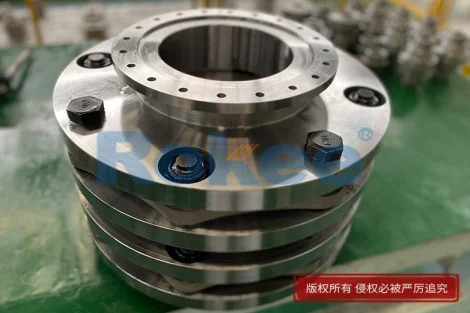
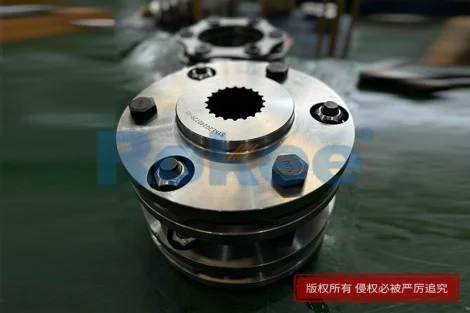
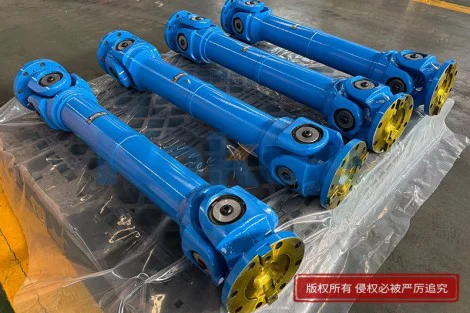
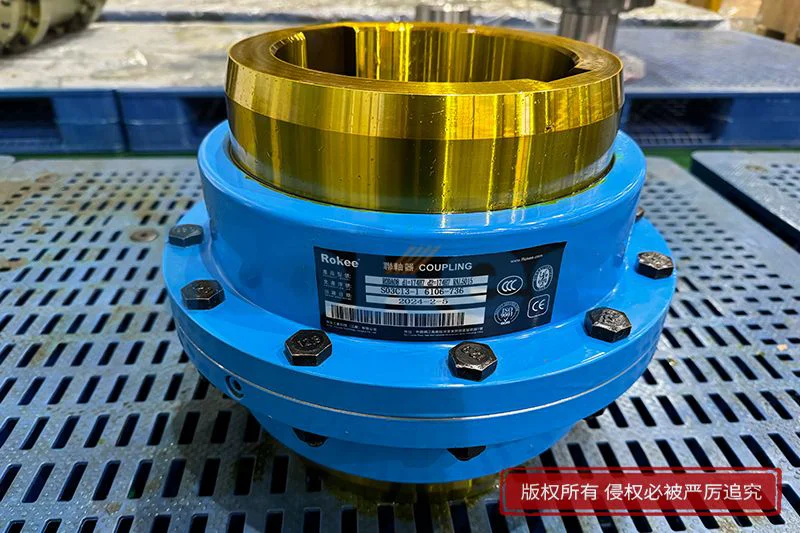
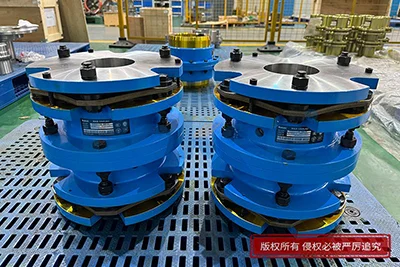
High torque couplings cover a diverse range of structural types, each tailored to adapt to different heavy-load working scenarios and mechanical layout requirements. Common structural forms include gear couplings, disk couplings, splined couplings, and rigid high-flange couplings, all optimized for high-torque transmission on the basis of their original structures. Gear couplings rely on meshing tooth structures for force transmission, with large bearing areas and excellent overload resistance, suitable for ultra-heavy load continuous operation. Disk couplings utilize high-strength metal disk groups for flexible connection, featuring high torsional rigidity and zero backlash, ideal for high-precision high-torque transmission scenarios. Splined couplings adopt multi-groove matching structures to evenly distribute torque, with strong structural stability and good adaptability to long-term alternating loads. Rigid high-torque couplings provide ultra-high structural stability for fixed-shaft transmission scenarios with minimal misalignment. Each type of high torque coupling has unique structural advantages and application tendencies, enabling targeted matching according to equipment power parameters, operating frequency, and environmental conditions, thus maximizing transmission efficiency and operational reliability of mechanical systems.
The installation and maintenance characteristics of high torque couplings further highlight their applicability in industrial continuous production scenarios. In terms of installation, most high torque coupling products adopt optimized modular assembly structures, with standardized connection sizes and simple positioning and fixing methods. The overall assembly process does not require complex auxiliary tools or professional debugging procedures, which shortens equipment assembly and replacement cycles. Some structural designs support cold assembly without heating treatment, improving construction convenience while avoiding structural performance changes caused by thermal processing. In daily operation and maintenance, high torque couplings with high-strength materials and optimized structures have extremely low wear rates, realizing long-term maintenance-free operation under standard working conditions. Regular inspection only needs to check connection tightness and surface integrity, without frequent replacement of vulnerable parts. This low-maintenance feature greatly reduces equipment downtime and manual maintenance investment, improving the continuous operation efficiency of industrial production lines and bringing stable economic benefits to mechanical operation and production.
With the continuous upgrading of heavy industrial equipment towards high power, high precision, and high stability, the technical iteration and performance optimization of high torque couplings are constantly advancing. Modern industrial mechanical systems put forward higher requirements for coupling performance, including higher power density, more compact structural design, stronger environmental adaptability, and more precise transmission accuracy. Current high torque coupling optimization directions focus on lightweight high-strength design, adopting new composite materials and finite element optimized structures to reduce overall volume and weight while maintaining ultra-high torque bearing capacity. Meanwhile, intelligent structural design is gradually integrated into high torque coupling products, realizing real-time monitoring of torque load, operating vibration, and structural wear status. Through continuous technological innovation, high torque couplings are breaking the limitations of traditional mechanical transmission components, adapting to increasingly complex heavy-duty working conditions, and providing more reliable and efficient basic guarantees for the stable operation of modern heavy machinery and power transmission systems.
« High Torque Couplings » Update Date: 2026/8/5
URL: https://www.rokee.com/en/tags/high-torque-couplings.html
Contact
If you require custom machined couplings, please contact Rokee via the contact information below for inquiries.
Email: Rokee@Rokee.com
 WeChat