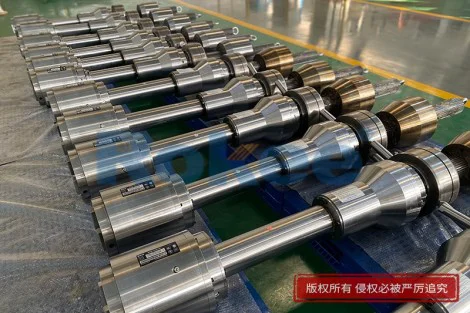
High Torque Flexible Shaft Couplings
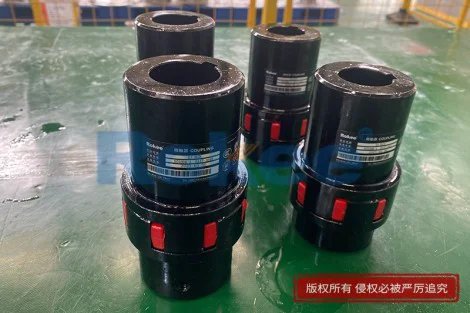
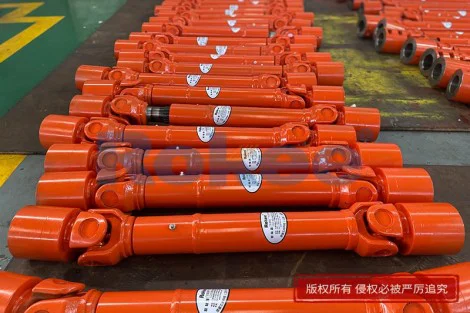
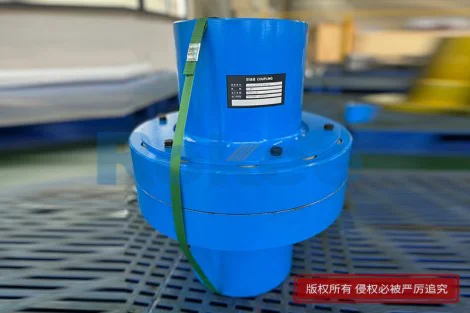
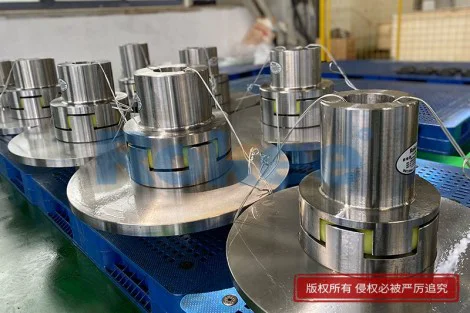
Rokee is a manufacturer of high torque flexible shaft couplings from china, we can provide non-standard custom high torque flexible shaft couplings based on parameters or drawings supplied by customers, with export support available.

High torque flexible shaft couplings are essential mechanical transmission components designed to deliver stable and powerful torque transfer while accommodating common shaft misalignments in industrial motion systems. Unlike rigid couplings that prioritize fixed connection without adaptive capacity, these specialized couplings integrate high torsional rigidity and structural flexibility to balance powerful power output and equipment protection. They are engineered to resolve core operational pain points, including angular, parallel and axial shaft misalignment, mechanical vibration, instantaneous impact loads, and thermal deformation displacement during long-term equipment operation. Widely adaptable to medium and heavy-duty mechanical scenarios that require both high power transmission efficiency and operational stability, these couplings effectively reduce mechanical stress on bearings, motors and transmission shafts, minimize equipment wear, and extend the overall service life of mechanical systems. Their unique structural design enables consistent torque output even under fluctuating working conditions, making them a foundational component for reliable operation of modern automated and precision mechanical equipment.


The core structural design of high torque flexible couplings focuses on integrating high load-bearing capacity and adaptive flexibility, breaking the performance limitations of ordinary flexible couplings that struggle with high-torque working conditions. Most high-performance models adopt a composite flexible structure combining rigid hub components and elastic deformation units, which retains the high-strength torque transmission capability of rigid structures while retaining the vibration absorption and misalignment compensation functions of flexible structures. The precision-machined hub structure ensures tight and stable connection with the shaft, avoiding torque loss and connection loosening caused by insufficient clamping force during high-power operation. The internal elastic functional units are optimized in structural thickness and deformation range, which can produce micro elastic deformation to offset various misalignments generated during equipment operation without generating excessive torsional deformation that affects transmission accuracy. This integrated structural design enables the couplings to maintain zero backlash torque transmission under continuous high-load operation, effectively solving the problem of power attenuation common in traditional flexible couplings when bearing large torque, and ensuring synchronous and consistent operation of the front and rear transmission shafts.
Material selection is the key factor determining the high torque resistance and long-term durability of flexible shaft couplings, and high-quality models adopt graded high-strength materials according to functional components. The main hub parts are usually made of high-density alloy materials with excellent tensile strength and hardness, which can withstand long-term high-pressure torque impact and cyclic load friction, and are not prone to deformation, cracking or wear. The flexible deformation core mostly uses high-elasticity, fatigue-resistant polymer materials or special metal elastic components, which can maintain stable elastic performance after millions of repeated deformations, avoiding aging failure and elasticity attenuation under continuous high-load working conditions. In addition, the surface of the coupling is treated with special anti-corrosion and wear-resistant processes, which can resist the erosion of humid, dusty and slightly corrosive working environments. Compared with ordinary couplings made of single ordinary materials, this composite material matching design greatly improves the overall structural rigidity and fatigue resistance, ensuring that the couplings can maintain stable high-torque transmission performance in long-term uninterrupted industrial operation and reduce the frequency of component replacement and equipment maintenance downtime.
High torque flexible shaft couplings excel in misalignment compensation performance, which is one of their most valuable advantages in practical industrial applications. In actual mechanical operation, it is difficult to achieve absolute coaxiality of connecting shafts due to installation errors, mechanical vibration, equipment aging and thermal expansion and contraction during operation. Ordinary rigid couplings will generate huge additional mechanical stress on shafts and bearings when facing slight misalignment, leading to accelerated component wear, increased operating noise and even equipment failure. In contrast, high torque flexible couplings can simultaneously compensate for three common forms of shaft misalignment: axial displacement caused by thermal expansion, parallel offset generated by mechanical vibration, and angular deflection formed by installation deviation. The flexible structure can adaptively adjust the connection angle and spacing through micro deformation during torque transmission, eliminate additional mechanical stress, and ensure that the torque is always transmitted evenly and smoothly. This adaptive compensation capability enables the equipment to maintain stable operating accuracy under dynamic working conditions, greatly improving the fault tolerance of mechanical transmission systems.
Vibration damping and impact resistance are important functional characteristics of high torque flexible shaft couplings, which greatly improve the operational stability of high-power mechanical equipment. In high-torque transmission scenarios such as heavy-duty driving and frequent start-stop operation, mechanical systems will inevitably generate instantaneous impact force and periodic vibration, which will not only reduce transmission efficiency, but also cause fatigue damage to precision components over time. The internal flexible medium of high torque flexible couplings can effectively absorb and buffer instantaneous impact loads generated during equipment start-up, shutdown and load mutation, disperse concentrated mechanical stress, and avoid rigid impact between driving and driven shafts. At the same time, the elastic structure can attenuate high-frequency vibration generated during high-speed operation, reduce vibration conduction between equipment components, and lower overall operating noise. This vibration isolation and buffering effect not only protects precision bearings, gears and motor components from vibration damage, but also maintains the stability of equipment operating accuracy, creating a more stable and reliable operating environment for high-power mechanical systems.
High torque flexible shaft couplings have extremely wide application adaptability, covering various medium and heavy-duty mechanical transmission scenarios that require high power and high stability. In automated production equipment, they serve power transmission structures of conveying systems, packaging machinery and processing equipment, ensuring stable torque output during continuous high-frequency operation and maintaining consistent production precision. In precision power equipment such as servo motor systems and stepping motor transmission structures, the couplings realize backlash-free high-torque transmission, ensuring precise synchronization of motion and improving the control accuracy of equipment. In heavy-duty mechanical fields including metallurgical equipment, mining machinery and hydraulic transmission devices, their excellent high-load resistance and impact resistance adapt to harsh working conditions with large load fluctuations and severe vibration. Moreover, these couplings can adapt to different operating speed ranges and temperature environments, with stable performance in both low-speed heavy-load and high-speed power transmission scenarios, fully meeting the diversified and high-reliability operation requirements of modern industrial mechanical systems.
The operational stability and low maintenance characteristics of high torque flexible shaft couplings make them cost-effective core components of mechanical transmission systems. Thanks to the optimized structural design and high-quality material configuration, these couplings have extremely low wear rates during long-term high-torque operation, and will not experience loose connection, elastic failure or torque attenuation under continuous cyclic load. The integrated compact structure avoids the structural vulnerability of multi-part combined couplings, reduces potential failure points, and effectively lowers the probability of mechanical transmission faults. In daily operation, the couplings do not need frequent lubrication, calibration and other maintenance operations, and only need regular simple appearance inspection to ensure normal operation. This low-maintenance advantage greatly reduces the daily operation and maintenance cost of mechanical equipment, avoids production shutdown losses caused by component failure and maintenance, and improves the overall operational efficiency and continuous working capacity of industrial production lines. For long-term industrial operation scenarios, their stable performance and low maintenance cost bring significant comprehensive economic benefits.
With the continuous upgrading of modern industrial mechanical equipment towards high power, high precision and high automation, the performance advantages of high torque flexible shaft couplings are becoming increasingly prominent, and their market application prospects are constantly expanding. Modern mechanical transmission systems put forward higher requirements for torque transmission efficiency, misalignment adaptability, vibration suppression and long-term stability, and traditional ordinary couplings can no longer meet the comprehensive performance needs of high-end equipment. High torque flexible shaft couplings keep pace with industrial upgrading through continuous structural optimization and material innovation, realizing the perfect balance of high torque resistance, high precision transmission and high environmental adaptability. In the future, with the continuous development of intelligent manufacturing, heavy-duty intelligent equipment and precision transmission technology, these couplings will be further optimized in structural compactness, extreme working condition adaptability and service life, and will become more widely used in high-end mechanical manufacturing, intelligent automation and heavy industrial fields, providing more reliable basic support for the efficient and stable operation of modern mechanical systems.
« High Torque Flexible Shaft Couplings » Update Date: 2026/8/5
URL: https://www.rokee.com/en/tags/high-torque-flexible-shaft-couplings.html
Contact
If you require custom machined couplings, please contact Rokee via the contact information below for inquiries.
Email: Rokee@Rokee.com
 WeChat